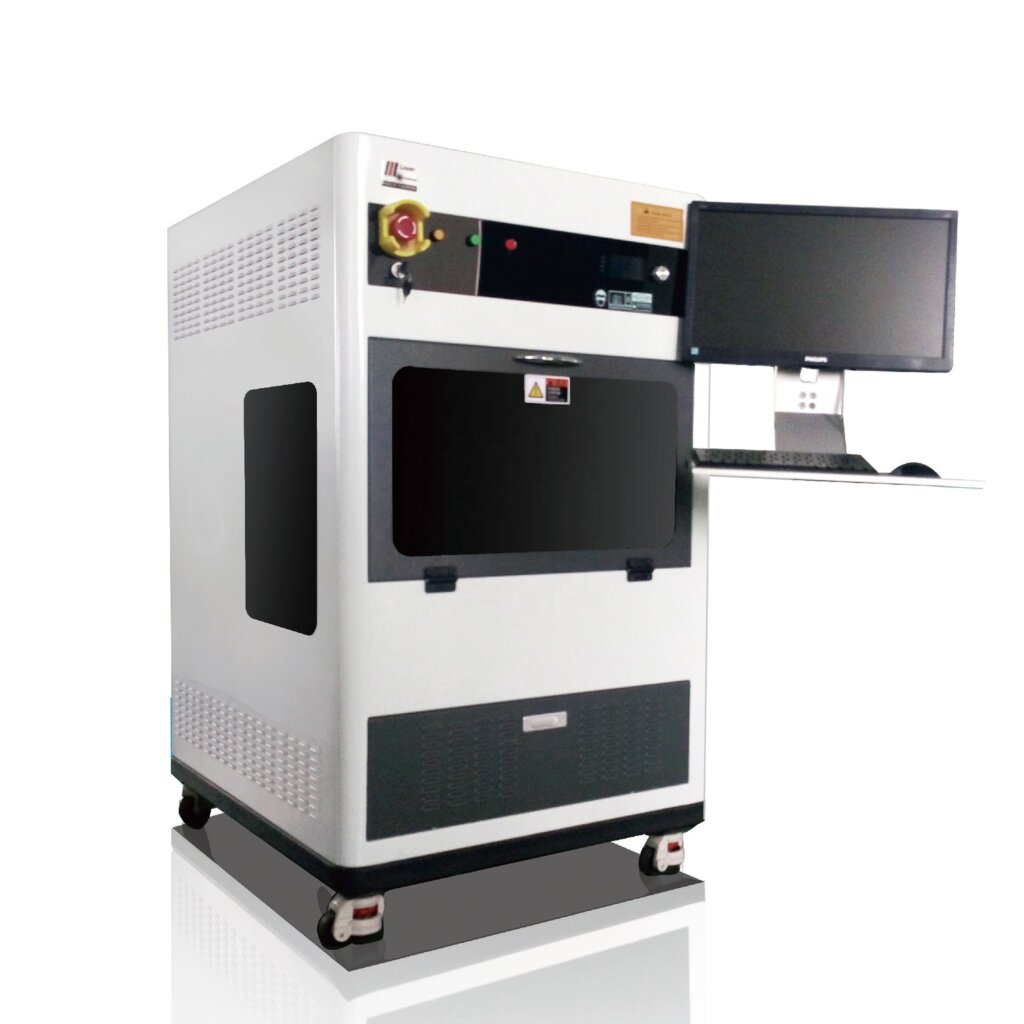
When selecting 3d crystal photo machine, always prioritize the laser source brand (JPT/Raycus) over raw wattage for long-term reliability.
3D Crystal Photo Machine: Technical Specifications
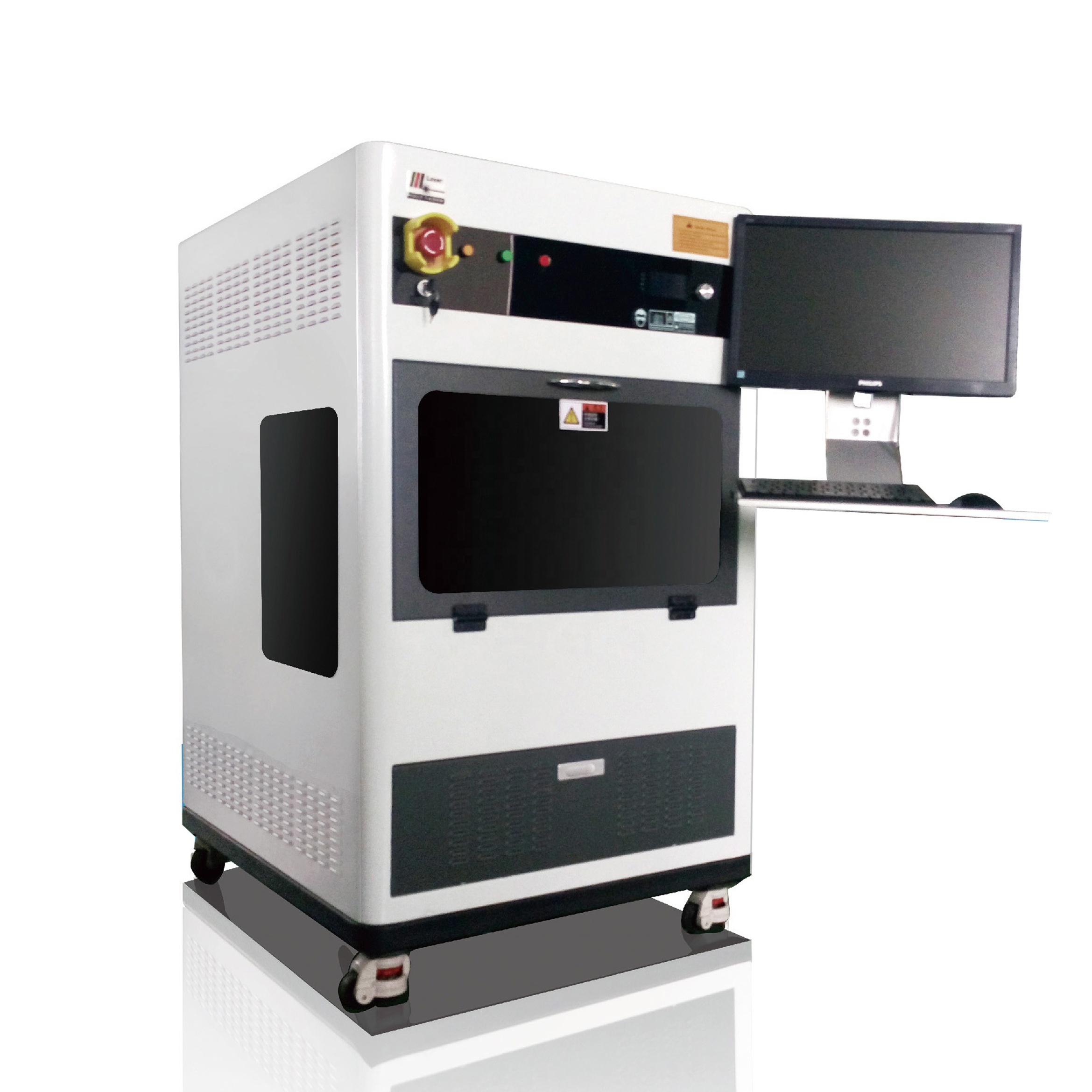
The 3D crystal photo machine represents a specialized application of laser technology known as Sub-Surface Laser Engraving (SSLE). Unlike our fiber laser welders or cleaners that interact with the exterior of a substrate, these machines must bypass the surface entirely. The system focuses high-intensity laser energy at a specific coordinate inside the optical glass or crystal to create a microscopic fracture.
The wavelength utilized in these machines is the most critical factor for success. We typically rely on Diode-Pumped Solid-State (DPSS) laser sources operating at the 532nm green wavelength. This specific frequency is essential because optical crystal is transparent to it, allowing the beam to travel through the material without damaging the exterior surface.
Pulse energy management distinguishes high-quality industrial engraving from hobbyist results. The laser must deliver a high peak power in an extremely short duration, usually measured in nanoseconds. This rapid delivery creates a phenomenon known as optical breakdown, resulting in a tiny micro-explosion at the focal point that forms a visible dot.
To achieve high-definition images, the machine must place tens of thousands of these dots with micron-level precision. This requirement places a heavy load on the galvanometer scanning system and the laser source itself. Consequently, maintaining stability through advanced cooling systems is mandatory for industrial production.
Thermal regulation is directly tied to the beam quality, often measured by the M2 factor. While entry-level units might rely on air cooling, industrial-grade 3D crystal machines require active water cooling via a chiller. This ensures the laser crystal maintains a constant temperature to prevent thermal lensing, which would distort the focal point and ruin the clarity of the engraving.
| Feature | Traditional Surface Etching | 3D Crystal SSLE Laser |
|---|---|---|
| Material Interaction | Abrasive physical contact or chemical acid erosion on the exterior. | Non-contact optical breakdown occurring internally. |
| Z-Axis Depth | Limited to surface texture modification only. | Full volumetric control allowing true 3-D geometry. |
| Consumables | Requires sand, masks, acids, or grinding bits. | Zero consumables required beyond electricity. |
| Resolution | Low resolution heavily dependent on stencil quality. | High resolution capable of reproducing photographic details. |
| Surface Integrity | The outer surface is permanently altered and rough. | The outer surface remains perfectly smooth and polished. |
Modern manufacturing demands this level of precision to reduce waste and eliminate chemical byproducts. By utilizing clean electrical energy and precise 532nm wavelengths, we replace dirty mechanical engraving methods with pure light. This aligns perfectly with the Klear Laser mission to drive industrial efficiency through photonics.
Key Features & Advantages
Klear Laser does not manufacture “3D crystal photo machines.” This technology typically uses Nd:YAG or CO2 lasers for internal glass/crystal engraving, which falls outside our industrial focus. We specialize exclusively in clean, high-precision laser solutions for metal processing and surface treatment.
Our core expertise lies in replacing polluting industrial methods with verified laser technology. For permanent marking and imaging applications on industrial substrates, Klear Laser’s UV Printing systems provide superior technical performance. These systems utilize cold-marking principles with solid-state UV lasers to create high-resolution, chemical-free markings on metals, plastics, and ceramics without thermal damage.
The Klear Laser UV Printing platform integrates a high-reliability 355nm wavelength laser source operating at adjustable pulse frequencies up to 300 kHz. This short wavelength enables absorption by nearly all materials without surface heating, ensuring micron-level precision and adhesion-free results. We utilize integrated galvanometer scanning heads with autofocus capabilities for consistent depth control on complex geometries, critical for industrial part traceability and branding.
Below is a comparison of Klear Laser UV Printing against conventional marking methods:
| Parameter | Klear Laser UV Printing | CO2 Laser Marking | Chemical Etching |
|---|---|---|---|
| Wavelength | 355 nm (UV) | 10.6 μm (IR) | N/A |
| Material Interaction | Cold ablation | Thermal melting | Corrosive reaction |
| Minimum Feature Size | 10 μm | 50 μm | 100+ μm |
| Environmental Impact | Zero chemicals, no fumes | Fume extraction required | Hazardous waste streams |
Klear Laser UV systems eliminate toxic chemicals and secondary cleanup processes inherent in traditional photo-engraving methods. Our JPT or Raycus-derived UV sources deliver 10,000+ hour diode lifetimes with stable output, ensuring production line reliability unmatched by crystal engraving equipment. This technology directly supports our mission by replacing environmentally harmful industrial marking processes with a clean, energy-efficient laser solution.
Industrial Applications
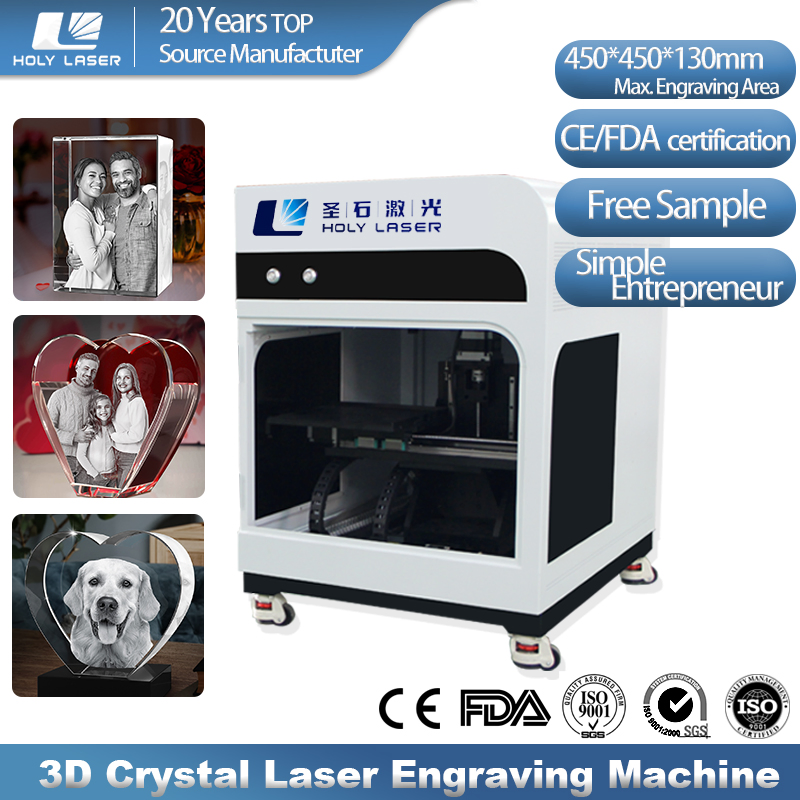
3D crystal photo machines are specialized laser systems that create subsurface micro-fractures within optically clear materials to produce three-dimensional images. These machines use focused diode-pumped solid-state lasers, typically operating at 532nm wavelength, to generate high-peak-power pulses for internal engraving without surface damage. This technology is fundamentally different from Klear Laser’s industrial processing equipment.
In automotive, aerospace, and marine sectors, 3D crystal photo applications remain limited to promotional and commemorative purposes rather than functional manufacturing. Automotive manufacturers occasionally use these systems for executive awards or dealer recognition pieces featuring engine cutaways or vehicle models. Aerospace companies may produce crystal replicas of turbine blades or aircraft profiles for presentation purposes, while marine applications are largely restricted to commemorative pieces for vessel launches or corporate gifts.
Klear Laser’s industrial solutions serve these sectors through fundamentally different technologies. Our fiber laser welding systems penetrate aluminum alloys up to 5mm with precise control over heat-affected zones, critical for battery tray production in electric vehicles. Pulsed laser cleaning machines remove oxides and coatings from turbine components without substrate damage, operating at pulse widths from 10-500ns to protect sensitive aerospace alloys. UV printing systems deliver durable markings on marine-grade stainless steel that withstand saltwater corrosion for decades.
| Application Type | Primary Materials | Laser Parameters | Industrial Use Case |
|---|---|---|---|
| Crystal Engraving | Optical Glass, K9 Crystal, Sapphire | 532nm, 3-5kHz, 3-5ns pulses | Promotional items only |
| Laser Cleaning | Aluminum 7075, Titanium 6Al-4V, CFRP | 1064nm, 10-500ns, 200W avg | Pre-weld prep, coating removal |
| Fiber Welding | galvanized steel, 304/316 Stainless, Inconel | 1080nm, CW/modulated, 2-6kW | Structural joints, battery enclosures |
| UV Printing | ABS, Polycarbonate, Marine Composites | 355nm, 3W avg, <15ps pulses | Permanent component marking |
For actual production environments in these heavy industries, Klear Laser provides equipment that meets Mil-Spec and automotive quality standards. Our systems integrate with robotic workcells and MES platforms, delivering repeatable results for high-volume manufacturing rather than decorative applications.
Why Choose Klear Laser
Klear Laser delivers unparalleled value through comprehensive post-purchase support. Our 24/7 technical assistance ensures rapid response to any equipment query. Factory-trained engineers provide expert troubleshooting and on-site service when needed. Remote diagnostics minimize downtime and resolve issues efficiently.
We stand firmly behind our technology with industry-leading warranty terms. Every machine includes comprehensive coverage for parts and labor, protecting your investment. Extended warranties are available for critical components like laser sources. Our commitment ensures long-term reliability and peace of mind.
Genuine spare parts are readily available worldwide to maintain peak performance. Our global logistics network guarantees fast delivery for essential components. Comprehensive parts manuals and dedicated parts specialists streamline the replacement process. This minimizes operational disruptions and extends equipment lifespan.
| Spare Parts Service Aspect | Details |
|---|---|
| Global Availability | Parts stocked in regional warehouses for rapid dispatch |
| Lead Times | Critical components often shipped same-day; standard parts within 48 hours |
| Inventory Scope | Full range from optical components to control boards and safety interlocks |
| Technical Support | Dedicated parts specialists assist with identification and ordering |
💰 ROI Calculator: 3D Crystal Photo Machine
Ready to Upgrade Your Production?
Contact Klear Laser for professional industrial solutions.