Laser Cleaning Applications
From heavy industrial rust removal to delicate heritage restoration — non-contact, no damage, eco-friendly cleaning for every need.
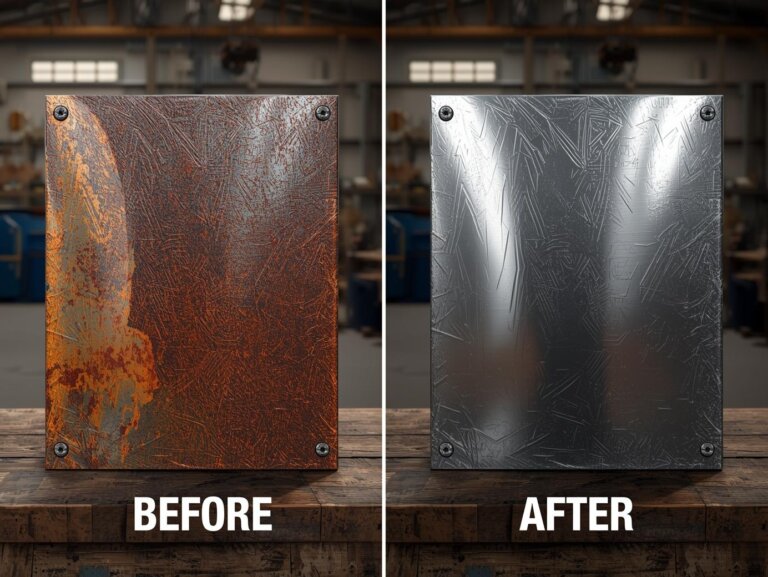
Metal Rust Removal
Key Benefits of Laser Cleaning
- Removes thick rust layers quickly without damaging the steel substrate
- No abrasive media — zero surface erosion or warping
- No dust pollution — safer for operators and meets regulations
- Ideal for large surfaces and heavy corrosion
Traditional Methods & Drawbacks
- Sandblasting: high dust, surface damage, high consumable cost
- Chemical rust removers: toxic waste, slow, environmental hazards
- Mechanical grinding: labor-intensive, risk of substrate damage
Typical Industries — Automotive parts, bridge steel structures, mechanical equipment, steel mill maintenance
Recommended Machines — 200W–1000W Handheld or Trolley Series
Surface Paint / Coating Removal
Key Benefits of Laser Cleaning
- Precisely strips paint, powder coatings, and plating without harming base material
- No chemicals or waste disposal — environmentally friendly
- High precision for complex shapes and delicate parts
- Faster than sandblasting or chemical stripping
Traditional Methods & Drawbacks
- Chemical stripping: toxic fumes, hazardous waste, slow process
- Sandblasting: heavy dust, substrate erosion, high media cost
- Mechanical scraping: labor-intensive, risk of scratches
Typical Industries — Automotive refinishing, aerospace components, industrial equipment recoating
Recommended Machines — 300W–1500W Pulsed or Continuous Series
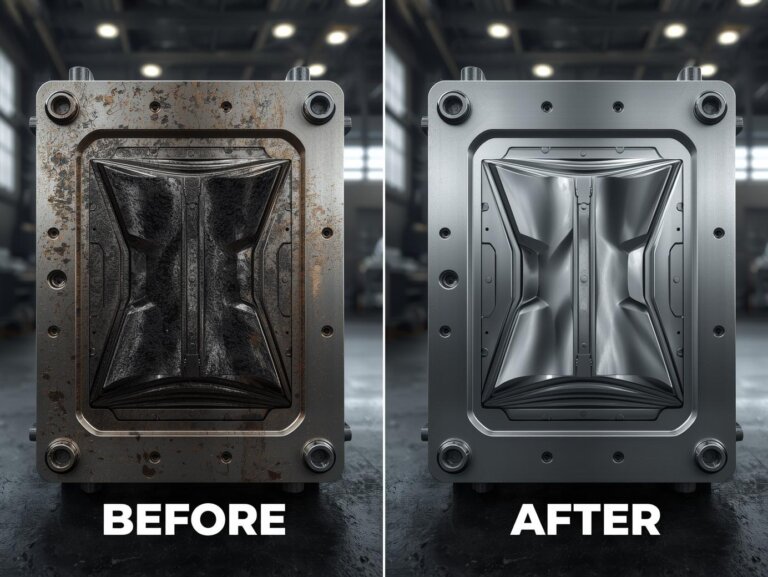
Mold Cleaning Key
Benefits of Laser Cleaning
- Quickly removes residue, oil, and oxidation without scratching surfaces
- Extends mold lifespan and reduces downtime
- Non-contact — no need to disassemble molds
- Consistent results even in deep cavities
Traditional Methods & Drawbacks
- Chemical solvents: toxic, residue left behind, environmental issues
- Abrasive blasting: damages mold surface, shortens lifespan
- Manual polishing: time-consuming, inconsistent results
Typical Industries — Injection molding, die-casting, rubber molding factories
Recommended Machines — 200W–800W Precision Handheld Series
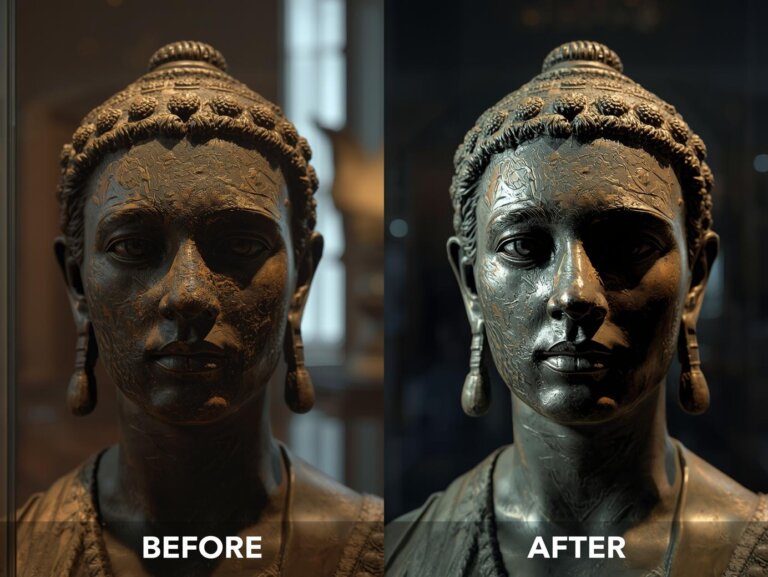
Cultural Relics / Antique Restoration
Key Benefits of Laser Cleaning
- Non-contact and non-destructive — preserves original patina and details
- Selective removal of oxidation and dirt only
- No chemicals or abrasives — safe for delicate materials
- Approved by museums and heritage institutions worldwide
Traditional Methods & Drawbacks
- Chemical cleaning: risk of over-etching or color change
- Abrasive methods: irreversible surface damage
- Manual brushing: slow, inconsistent, risk of scratches
Typical Industries — Museums, cultural heritage institutions, bronze and stone restoration
Recommended Machines — 50W–200W Low-Power Pulsed Series
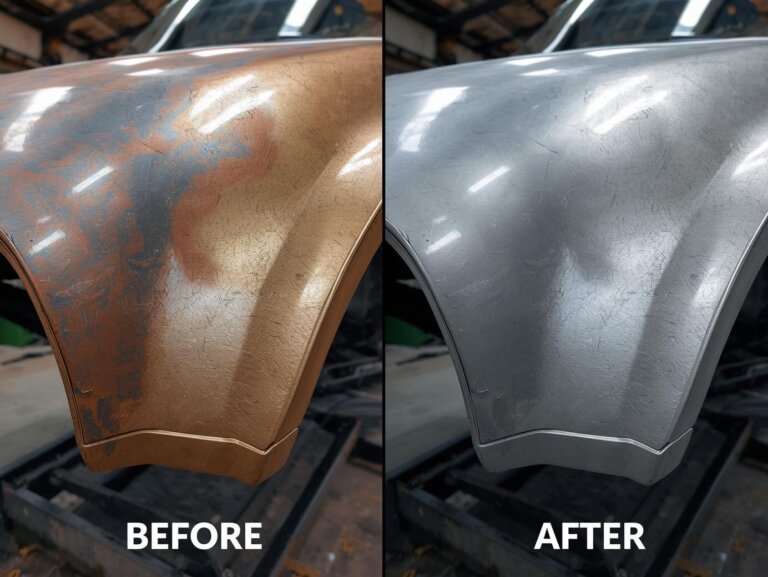
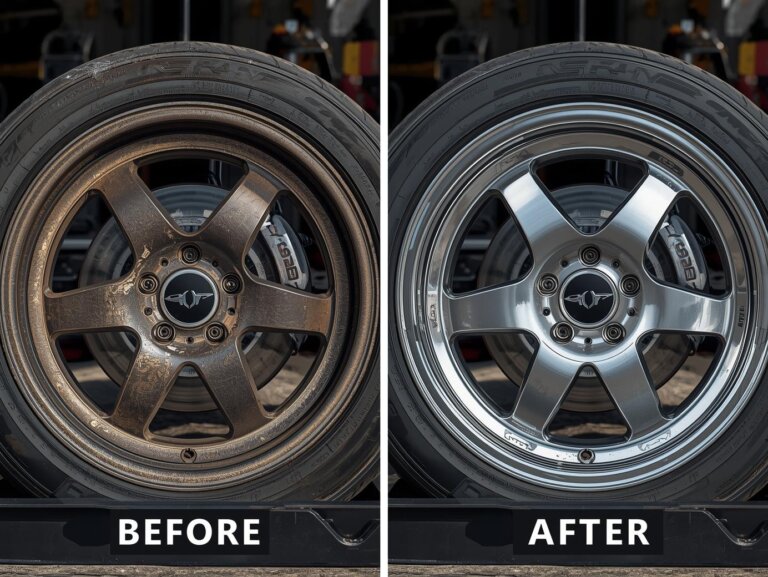
Wheel Hub / Motorcycle / Automotive Refinishing
Key Benefits of Laser Cleaning
- Easily removes rust, brake dust, and coatings in minutes
- DIY-friendly — no special training needed
- Restores mirror-like shine without scratching rims
- No mess or chemicals — clean working environment
Traditional Methods & Drawbacks
- Chemical wheel cleaners: harsh, may damage clear coat
- Sandblasting/bead blasting: risk of warping or etching
- Wire brushing: labor-intensive, leaves scratches
Typical Industries — Motorcycle enthusiasts, auto detailing shops, small refinishing studios
Recommended Machines — 100W–200W Portable Handheld Series
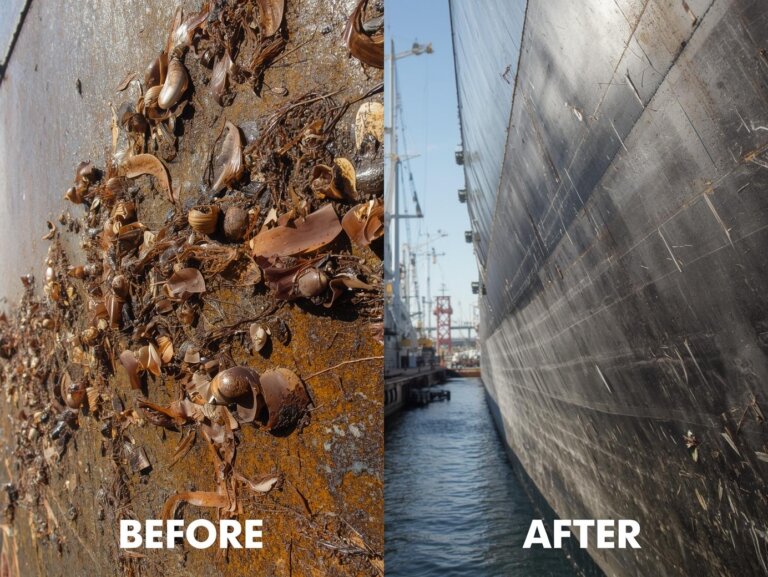
Ship Maintenance
Key Benefits of Laser Cleaning
- Removes rust, marine fouling, and coatings without dust clouds
- No secondary pollution — meets marine environmental regulations
- Fast cleaning of large hull areas
- Safe for operators in shipyard conditions
Traditional Methods & Drawbacks
- Abrasive blasting: massive dust, containment required, high cost
- High-pressure water jetting: large water consumption, runoff pollution
- Chemical strippers: toxic, slow, disposal issues
Typical Industries — Shipyards, marine engineering, yacht maintenance
Recommended Machines — 500W–2000W High-Power Trolley or Cube Series
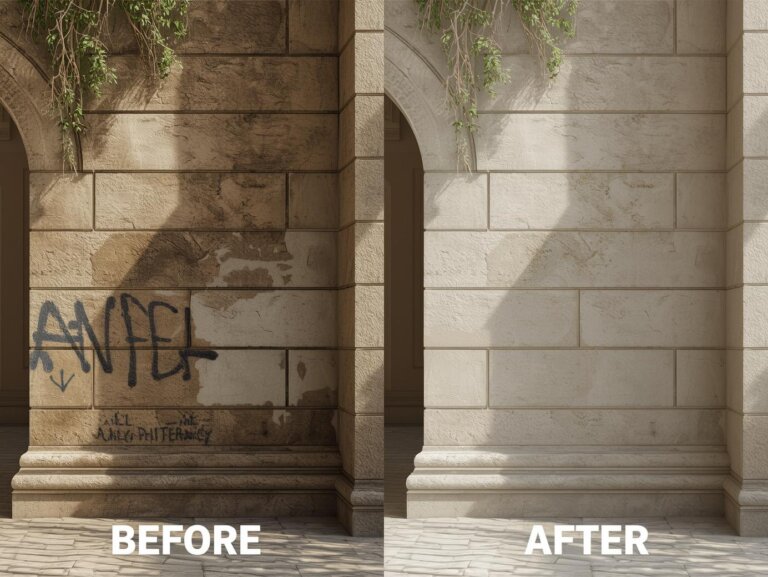
Stone / Architectural Surface Cleaning
Key Benefits of Laser Cleaning
- Removes graffiti, stains, and weathering without etching stone
- Preserves natural texture and color
- No water runoff or chemical pollution
- Suitable for historical buildings and sculptures
Traditional Methods & Drawbacks
- Chemical cleaners: risk of discoloration or etching
- Pressure washing: water damage, runoff pollution
- Abrasive methods: surface erosion, loss of detail
Typical Industries — Building restoration, stone carving maintenance, historical architecture
Recommended Machines — 200W–800W Medium-Power Series
Ship Maintenance
Key Benefits of Laser Cleaning
- Removes rust, marine fouling, and coatings without dust clouds
- No secondary pollution — meets marine environmental regulations
- Fast cleaning of large hull areas
- Safe for operators in shipyard conditions
Traditional Methods & Drawbacks
- Abrasive blasting: massive dust, containment required, high cost
- High-pressure water jetting: large water consumption, runoff pollution
- Chemical strippers: toxic, slow, disposal issues
Typical Industries — Shipyards, marine engineering, yacht maintenance
Recommended Machines — 500W–2000W High-Power Trolley or Cube Series