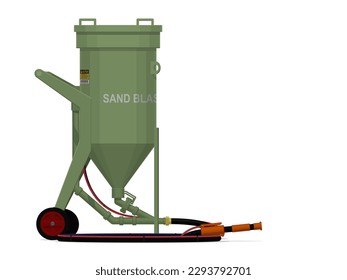
When selecting laser sand blaster, always prioritize the laser source brand (JPT/Raycus) over raw wattage for long-term reliability.
Laser Sand Blaster: Market Trends & ROI
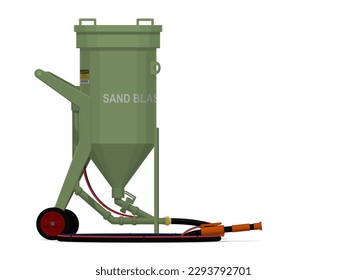
The term “laser sand blaster” is a colloquialism for what is technically known as pulsed fiber laser cleaning. This technology represents a massive paradigm shift in industrial surface preparation by completely eliminating the need for abrasive media. At Klear Laser, we utilize high-peak power light pulses to vaporize contaminants instantly without making physical contact with the surface.
Industrial demand for this technology is surging due to increasingly strict environmental regulations regarding chemical disposal and airborne silica dust. Sectors such as automotive manufacturing, aerospace maintenance, and maritime restoration are aggressively seeking alternatives to traditional abrasive blasting to protect worker health and reduce liability. This market shift positions laser cleaning as a primary solution for forward-thinking facilities.
The technical superiority of our machines lies in the precise control of pulse width and frequency found in our JPT and IPG laser sources. By utilizing short pulses in the nanosecond range, the laser beam creates a plasma burst that sublimates rust, oil, and paint. This process occurs so rapidly that the heat does not have time to transfer to the base material, ensuring total substrate safety.
Profitability for end-users is driven by the near-total elimination of operating expenses associated with traditional methods. A shop using a Klear Laser machine no longer needs to purchase, store, or dispose of sand, glass beads, or chemical solvents. The return on investment is accelerated by the reduction in labor hours previously spent on setup and post-blast cleanup.
We have compiled the following technical comparison to illustrate the operational differences between traditional abrasive blasting and our pulsed laser technology.
| Feature | Traditional Sandblasting | Klear Laser Cleaning (Pulsed) |
|---|---|---|
| Consumables | Requires constant purchase of grit/sand | None (Electricity only) |
| Substrate Safety | Removes base metal; alters surface profile | Non-destructive; preserves base metal |
| Rust Removal | Kinetic abrasion (high impact) | Photonic ablation (vaporization) |
| Cleanup | Heavy dust and media disposal required | Minimal to none (vapor/dust extraction) |
| Precision | Low; difficult to clean small areas | Micron-level precision |
| Operating Cost | High (media + disposal + labor) | Low (power consumption only) |
| Noise Level | Extremely high (>100 dB) | Low to Moderate |
This technology is particularly vital for applications requiring the preservation of critical dimensions, such as injection mold cleaning or historical restoration. The laser beam can be adjusted to remove only the oxide layer while leaving the underlying steel or aluminum structure untouched. This level of selectivity is impossible to achieve with kinetic impact methods like sandblasting.
Key Features & Advantages
Klear Laser’s pulsed laser cleaning systems replace hazardous sandblasting with precise ablation. These machines utilize adjustable nanosecond pulses to remove rust, coatings, and contaminants without damaging the underlying metal substrate. Pulse control prevents thermal stress on sensitive components like aircraft skins or historic artifacts. Substrate safety is paramount in critical industrial applications.
The core component is our JPT MOPA fiber laser source operating at 1064nm wavelength. This source delivers precise pulse width control from 0.8ns to 200ns, critical for tuning energy delivery to specific contaminants. Shorter pulses efficiently ablate thin rust layers while longer pulses handle thick oxides on structural steel. Peak power exceeding 20kW ensures rapid material removal without substrate interaction.
Our integrated galvanometer scanning head features dynamic focus control and optional wobble technology. This enables uniform energy distribution across complex geometries like weld seams or threaded parts. Intelligent path planning minimizes heat accumulation during extended operations on high-value assets. The sealed optical path maintains reliability in demanding factory environments.
The following table compares key specifications essential for industrial rust removal efficiency and substrate preservation:
| Parameter | Value Range | Industrial Significance |
|---|---|---|
| Pulse Width | 0.8 – 200 ns | Enables selective removal of rust without base metal damage |
| Peak Power | Up to 20 kW | Ensures effective oxidation layer ablation on thick steel |
| Spot Size Control | 0.05 – 3.0 mm adjustable | Accommodates fine detail work and large surface areas |
| Cleaning Speed | 0.5 – 15 m²/hour | Directly impacts production line throughput rates |
These technical capabilities allow automotive manufacturers and shipyards to eliminate chemical strippers and abrasive media. Our systems meet ISO 8501-1 surface preparation standards while producing zero secondary waste streams. This transition supports both operational efficiency and environmental compliance in heavy industry.
Industrial Applications
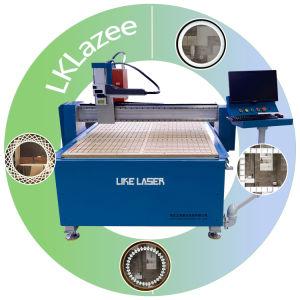
“Laser sand blaster” is industry shorthand for pulsed laser cleaning technology that vaporizes surface contaminants without abrasive media. Unlike traditional sandblasting, which erodes substrates and creates hazardous dust, laser systems deliver nanosecond pulses of controlled energy that strip rust, paint, and coatings while leaving base materials intact. This precision makes laser cleaning ideal for applications where substrate integrity and environmental compliance are non-negotiable.
In the automotive sector, laser cleaning excels at weld seam preparation, mold maintenance, and restoration work. Powertrain manufacturers use 200W-500W pulsed lasers to remove mill scale from steel components before robotic welding, ensuring perfect penetration without grinding. Classic car restorers rely on lower fluence settings to strip paint from aluminum body panels and cast iron engine blocks, preserving original surfaces that sandblasting would destroy. The technology also cleans tire molds and injection tooling in-place, eliminating production downtime.
Aerospace applications demand the highest precision, where laser cleaning replaces chemical strippers and manual abrasion. Turbine blade refurbishment uses 100W-300W lasers with 20-500ns pulse widths to remove thermal barrier coatings from nickel-based superalloys without affecting the substrate microstructure. Composite aircraft structures benefit from non-contact cleaning that removes sealants and adhesives from carbon fiber without delamination. The process meets AS9100 standards and eliminates foreign object damage risks inherent in media blasting.
Marine environments present the most aggressive corrosion challenges, where laser technology strips heavy rust from ships and offshore platforms. 1000W-2000W high-power pulsed lasers remove 800-micron thick marine rust layers from steel hulls at 5-10 m²/hour, outperforming sandblasting while containing all waste as extractable dust. Underwater components and salt-encrusted stainless steel fittings are cleaned with adjusted parameters that remove chlorides without pitting the surface. Port authorities increasingly mandate laser cleaning to prevent toxic paint waste from entering waterways.
Comparison: Traditional Sandblasting vs. Laser Cleaning
| Parameter | Sandblasting | Pulsed Laser Cleaning |
|---|---|---|
| Media Consumption | 50-200 kg/hour silica grit | Zero consumables |
| Substrate Damage | 25-100 μm material removal | <5 μm heat-affected zone |
| Precision | 10-20 mm spot size, indiscriminate | 0.1-0.5 mm beam focus, selective |
| Environmental Impact | Hazardous dust, lead contamination | Fume extraction only, recyclable waste |
| Operating Cost | $80-150/hour (media + disposal) | $15-30/hour (electricity only) |
Industry-Specific Material Applications
| Industry | Base Materials | Contaminants Removed | Typical Laser Power |
|---|---|---|---|
| Automotive | Steel, Aluminum, Cast Iron | Rust, Paint, Mill Scale, Oil | 200W – 500W |
| Aerospace | Titanium, Inconel, Carbon Fiber | Oxides, TBC Coatings, Sealants | 100W – 300W |
| Marine | Steel, Stainless Steel, Bronze | Heavy Rust, Salt, Marine Growth | 1000W – 2000W |
Why Choose Klear Laser
Support
Klear Laser provides 24/7 technical support to minimize downtime. Our expert team offers remote diagnostics, on-site service, and emergency assistance within four hours. This ensures continuous operation for critical industrial processes.
| Service Type | Response Time | Description |
|---|---|---|
| Remote Support | Immediate | Real-time troubleshooting via video call |
| On-Site Service | < 24 hours | Dedicated engineers for complex issues |
| Emergency Assistance | < 4 hours | Critical breakdown priority resolution |
Warranty
We deliver industry-leading warranties for long-term reliability. Standard coverage includes 2 years for parts and labor, with optional extensions to 5 years. All warranties guarantee replacement parts and labor for defects.
| Warranty Tier | Coverage Duration | Includes |
|---|---|---|
| Standard | 2 years | Parts, labor, and laser source |
| Extended | Up to 5 years | Full system coverage + preventive maintenance |
Spare Parts
Genuine spare parts ensure peak performance and safety. We maintain a global inventory with 48-hour shipping for critical components. All parts are factory-certified and compatible with your equipment.
| Part Type | Availability | Benefit |
|---|---|---|
| Critical Components | 48-hour shipping | Prevents prolonged machine downtime |
| Wear Items | Stocked | Low-cost replacements for consumables |
| Full System Upgrades | Customizable | Extends equipment lifespan and capability |
Klear Laser’s integrated support system guarantees operational continuity, reduces long-term costs, and maximizes productivity through rapid resolution and authentic components.
💰 ROI Calculator: Laser Sand Blaster
Ready to Upgrade Your Production?
Contact Klear Laser for professional industrial solutions.