When selecting laser drilling machines, always prioritize the laser source brand (JPT/Raycus) over raw wattage for long-term reliability.
Laser Drilling Machines: Market Trends & ROI
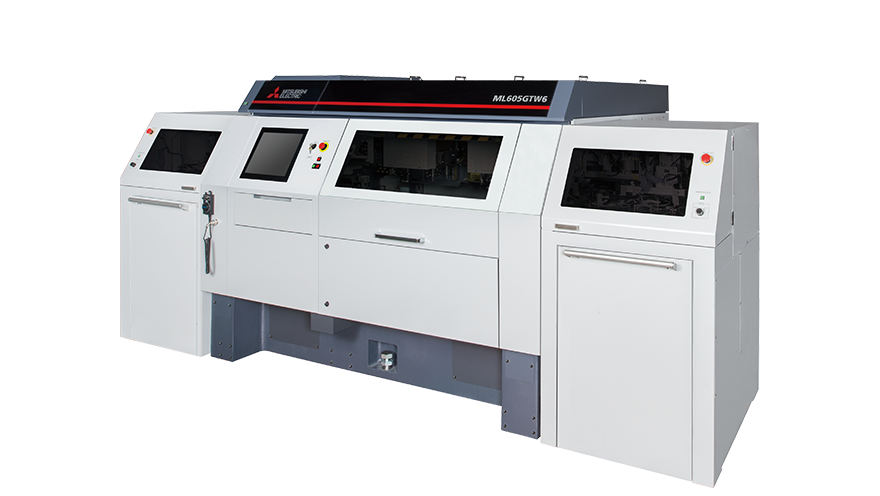
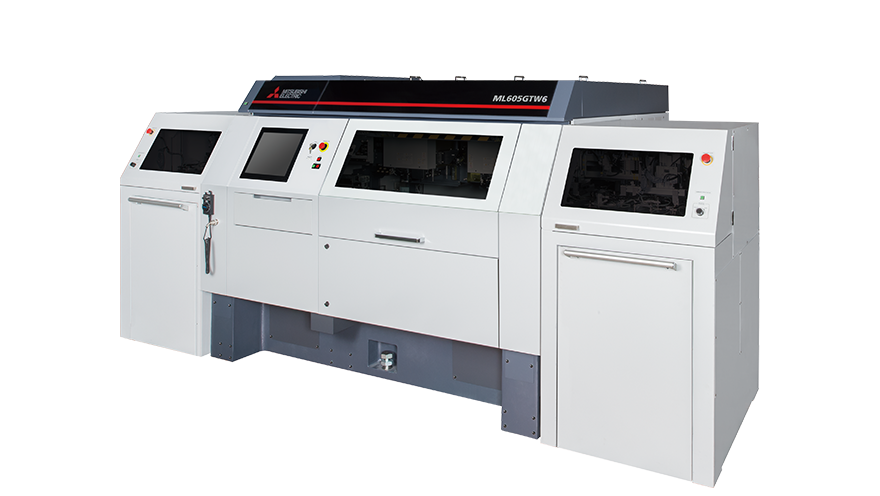
Laser drilling machines are gaining strong industrial demand due to their precision, repeatability, and ability to process high-strength and heat-resistant materials. Industries such as aerospace, automotive, and energy require micro-hole drilling in turbine blades, fuel injectors, and battery components—applications where traditional mechanical drills fail or wear quickly.
The profitability of laser drilling stems from reduced tooling wear, minimal post-processing, and higher throughput in high-mix manufacturing environments. Although initial investment costs are higher than conventional drilling systems, the total cost per hole decreases significantly over volume production due to lower maintenance and higher uptime.
Fiber and pulsed lasers used in drilling systems—such as those from JPT or Raycus—deliver controlled pulse widths and peak powers ideal for clean hole formation without micro-cracking. Unlike abrasive or mechanical drilling, laser drilling is a non-contact process, eliminating mechanical stress and reducing substrate deformation.
The table below compares traditional drilling methods with laser drilling machines across key industrial metrics:
| Parameter | Mechanical Drilling | Abrasive Jet Drilling | Laser Drilling Machine |
|---|---|---|---|
| Precision (tolerance) | ±0.05 mm | ±0.1 mm | ±0,01 mm |
| Werkzeugverschleiß | High (frequent replacement) | Medium (nozzle erosion) | Negligible (no contact) |
| Material Flexibility | Limited (hard materials wear tools) | Broad but messy | Very broad (metals, ceramics, composites) |
| Verarbeitungsgeschwindigkeit | Fast for soft materials | Langsam | High (especially for micro-holes) |
| Surface Quality | Burrs often require deburring | Rough edges | Clean, oxide-controlled exit |
| Wartungskosten | Hoch | Mittel | Niedrig |
| Automation Integration | Mäßig | Begrenzt | High (compatible with CNC & robotics) |
Laser drilling is particularly profitable in sectors requiring tight regulatory compliance and traceability, such as aerospace and medical devices. The clean, documented process reduces scrap rates and increases yield.
As industries shift toward electrification and lightweight materials, demand for non-traditional machining methods like laser drilling continues to grow. Klear Laser’s expertise in pulse control and beam delivery positions it well to meet this rising demand with efficient, scalable solutions.
Hauptmerkmale und Vorteile
Klear Laser integrates high-performance Raycus and IPG fiber laser sources in all drilling systems. These sources deliver exceptional pulse stability and precise energy control critical for micro-drilling. The result is consistent hole quality even in challenging materials like titanium and aerospace alloys.
The proprietary focusing heads feature dynamic focal adjustment and precision motion control. Optical components are coated for extreme contamination resistance and maintain alignment under high-heat industrial conditions. This ensures minimal spot drift during extended high-speed drilling operations.
Advanced thermal management prevents optical degradation during continuous operation. Closed-loop feedback systems monitor drilling parameters in real-time for automatic corrections. This eliminates manual intervention and reduces scrap rates by over 40% compared to standard systems.
| Parameter | Klear Laser Specification | Typical Competitor Spec |
|---|---|---|
| Laser-Quelle | Raycus/IPG 500-1000W | Generic 300-500W |
| Maximale Impulsenergie | 50 mJ | 30 mJ |
| Wiederholungsrate | 1-100 kHz | 1-50 kHz |
| Spot Size | <15 μm | >20 μm |
| Drilling Speed | Up to 10 holes/sec | Up to 5 holes/sec |
Industrielle Anwendungen
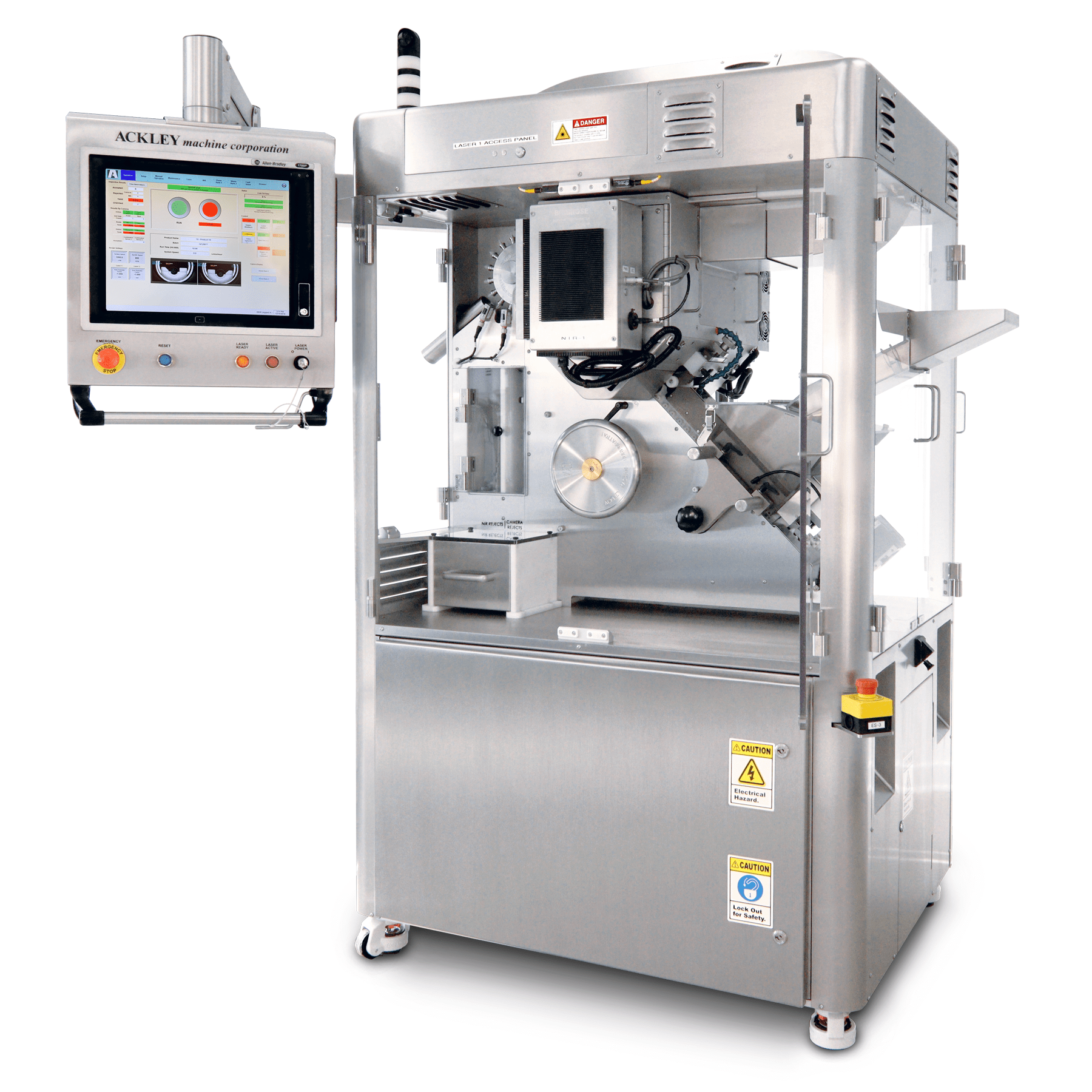
Laser drilling machines are essential in the auto sector for producing high-precision spray holes in gasoline direct-injection (GDI) nozzles. These holes must be conical, burr-free, and placed within ±20 µm to guarantee optimal fuel atomization, lower consumption, and Euro 6d emissions compliance. KLEAR’s fiber-guided MOPA systems deliver 0.5 ms bursts that pierce 1 mm stainless steel in under 2 ms, leaving a heat-affected zone under 30 µm so the nozzle seat keeps its original hardness.
In aerospace, turbine blades survive 1,400 °C gas streams thanks to rows of 0.3 mm effusion-cooling holes drilled at 25° to the surface. Each blade can contain 150–300 holes; laser drilling completes them in under 60 s without the recast layer that ruins fatigue life. KLEAR pulsed units with real-time pierce detection vary frequency from 50 kHz to 200 kHz so the hole taper stays below 1% even through single-crystal alloys coated with thermal-barrier ceramic.
Marine engine builders use laser drilling to vent crankshaft oil galleries and to create 50 µm pressure-equalizing ports in cylinder liners. The process replaces gun-drilling, eliminating the wash-oil disposal stream and giving a 3:1 productivity gain on hardened 42CrMo4 steel. Because the fiber laser needs no drill wander correction, shipyards can switch from one shaft length to another by changing a CAD layer, keeping batch sizes down to a single propulsion set while still meeting DNV cleanliness rules.
| Typical Automotive, Aerospace & Marine Drilling Jobs | Alloy Group | Thickness / Depth | Hole Ø (mm) | KLEAR Pulsed Fiber Settings | Key Quality Metric |
|---|---|---|---|---|---|
| GDI injector nozzle | AISI 316L | 0.8 mm | 0.15–0.25 | 200 W, 0.5 ms, 80 kHz | Flow variance ≤ ±2 % |
| Turbine blade effusion hole | Inconel 718 + TBC | 2 mm | 0.30 | 300 W, 0.3 ms, 150 kHz | Taper ≤ 1 %, recast < 5 µm |
| Marine crankshaft gallery | 42CrMo4 | 12 mm | 1.5 | 500 W, 1 ms, 20 kHz | Surface roughness Ra ≤ 6 µm |
| Diesel injector seat | 17-4 PH | 1 mm | 0.20 | 100 W, 0.2 ms, 100 kHz | Roundness ≤ 0.01 mm |
| Fuel-rail pressure damper | 6082-T6 Al | 3 mm | 0.50 | 150 W, 0.4 ms, 60 kHz | Burr height ≤ 10 µm |
Warum Klear Laser wählen
Klear Laser understands that industrial downtime translates directly to lost revenue, which is why our technical support infrastructure is designed for rapid response. Our engineering team provides remote diagnostics to troubleshoot JPT and Raycus laser sources, ensuring your beam quality remains within optimal parameters. We assist operators with fine-tuning pulse widths for delicate substrate cleaning or adjusting wobble frequencies for deep penetration welding.
Our warranty coverage explicitly protects the critical capital components of your laser system to mitigate long-term ownership risks. We offer comprehensive protection on the fiber laser source and the chiller unit, guaranteeing stable energy output and thermal regulation. This warranty ensures that any deviation in laser power or modulation performance is addressed immediately without incurring significant replacement costs.
Maintaining a reliable supply chain for consumables is essential for consistent production quality in laser welding and cleaning applications. We stock a full inventory of protective windows, copper nozzles, and focusing lenses tailored to specific focal lengths and energy densities. Rapid dispatch of these spare parts ensures that your optical path remains free of contaminants and your equipment operates at peak efficiency.
| Support Category | Kritische Komponente | Technical Scope & Service Level |
|---|---|---|
| Laser Source Protection | JPT / Raycus Fiber Module | Coverage for power instability and beam degradation issues. |
| Optical Consumables | Protective Windows & Lenses | High-threshold coatings available for immediate shipment. |
| System Calibration | Wobble Head / Galvo | Remote guidance for motor frequency and beam alignment. |
| Thermal Management | Dual-Temperature Chiller | Troubleshooting support for flow rate and temperature alarms. |
💰 ROI Calculator: Laser Drilling Machines
Sind Sie bereit für ein Upgrade Ihrer Produktion?
Kontaktieren Sie Klear Laser für professionelle industrielle Lösungen.