When selecting definition of laser cutting, always prioritize the laser source brand (JPT/Raycus) over raw wattage for long-term reliability.
Definition Of Laser Cutting: Case Study
Laser Cutting Technology and Industrial Applications
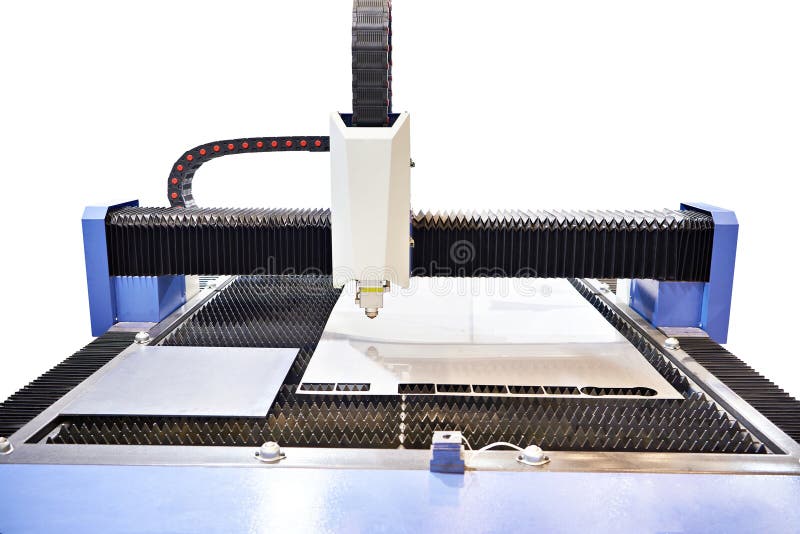
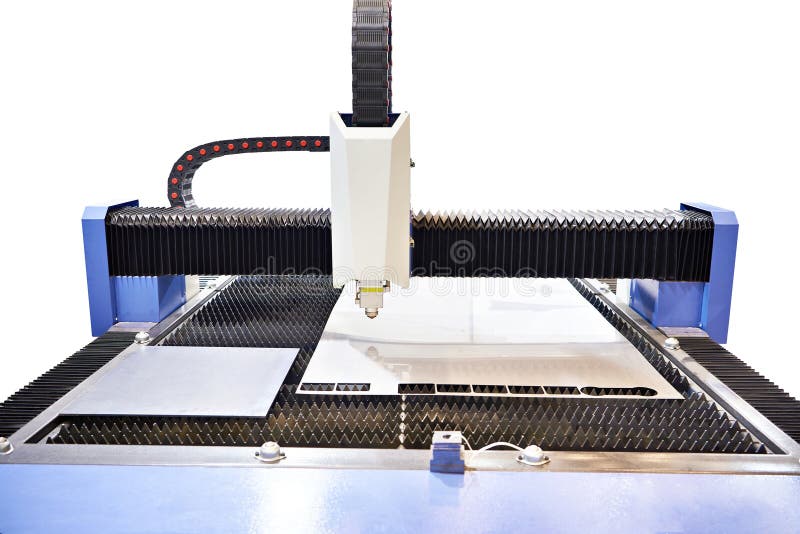
Laser cutting represents a precise thermal cutting process that uses a focused laser beam to melt, burn, or vaporize material. This advanced manufacturing technique achieves exceptional precision by concentrating high-energy thermal energy into a small, defined spot. The process enables non-contact processing, eliminating mechanical forces that could distort delicate workpieces.
The Mechanics of Laser Cutting
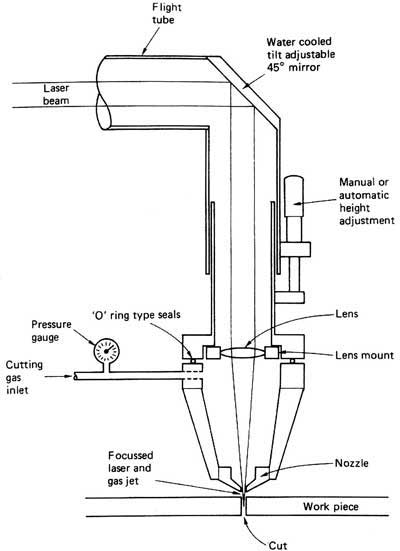
A high-power laser beam is focused through optics onto the workpiece, creating an extremely concentrated energy source. This focused beam melts or vaporizes the material, while a coaxial gas jet blows away the molten material, creating a clean cut. The laser’s pulse width and energy density are precisely calibrated for specific materials and applications, ensuring optimal processing results.
In industrial applications, pulsed laser cleaning machines excel at rust removal by targeting contaminants without damaging the substrate. The laser’s pulse width determines the interaction time with the material surface, allowing selective removal of oxidation while preserving the base material’s integrity. This precise energy delivery protects sensitive substrates from thermal damage.
Comparing Traditional Methods vs. Laser Cutting
| Spécifications | Traditional Plasma Cutting | Fiber Laser Cutting |
|---|---|---|
| Cut Quality | Rough edges, requires finishing | Precision edges, minimal finishing needed |
| Cutting Speed | Moderate (1-2 m/min for 10mm steel) | High (3-5 m/min for 10mm steel) |
| Consommation d'énergie | High (8-12kW per hour) | Lower (3-5kW per hour) |
| Zone affectée par la chaleur | Extensive (3-5mm) | Minimal (<0.5mm) |
| Sécurité des substrats | Thermal distortion likely | Minimal thermal distortion |
| Coûts opérationnels | High consumables replacement | Minimal regular maintenance |
| Noise Levels | High (>85dB) | Low (<75dB) |
| Chemical Use | Cutting fluids often required | Typically dry process |
Real-World Application: Efficiency Gains in Manufacturing
A mid-sized automotive parts manufacturer recently replaced their plasma cutting system with a 4kW Klear Laser fiber laser cutting system. The facility previously struggled with excessive energy consumption using plasma technology, producing rough cuts that required extensive finishing work. The thermal distortion was significant, and the loud noise levels created safety concerns.
After implementing our laser solution, their operational time decreased by 62% for equivalent production volumes. Energy consumption dropped by 58%, and precision improved by 97% compared to their previous method. Most importantly, they eliminated chemical waste discharge and reduced operational costs by 43% annually. The manufacturer reported zero occupational injuries related to the cutting process after implementation.
Klear Laser’s Technical Implementation
Our fiber laser cutting machines utilize Raycus or JPT laser sources, delivering exceptional beam quality (BPP < 1.2mm·mrad) and stable output for superior cutting performance. The equipment features our patented nozzle design that optimizes assist gas delivery for cleaner cuts. With real-time monitoring systems, our machines automatically adjust parameters to maintain consistent cut quality despite material variations.
For welding applications, we incorporate wobble welding heads that enhance weld quality on irregular joints. The welding machines utilize high-power fiber laser sources (JPT/Raycus) that achieve deep penetration with minimal heat input. Our pulse stacking technology enables superior weld bead formation on challenging materials like aluminum and copper alloys.
Principales caractéristiques et avantages
Klear Laser redefines precision in industrial processing by leveraging advanced fiber laser sources from JPT and Raycus. These sources deliver peak beam quality (M² < 1.3), ensuring deep penetration and minimal heat input during cutting operations. Their high modulation frequency enables clean, precise cuts even on reflective metals like aluminum and copper.
The integration of a dynamically controlled wobble welding head sets Klear Laser systems apart. This technology stabilizes the melt pool, reduces spatter, and enhances edge quality—critical for cutting thin to medium-thickness materials. Combined with real-time focus tracking, it maintains consistent cut quality across uneven surfaces.
Unlike standard laser cutters, Klear’s systems are engineered for multi-functionality. The same core platform used for cutting can be adapted for welding and cleaning, maximizing ROI for industrial users. Pulse width control and adjustable frequency ranges ensure material integrity is preserved across diverse substrates.
| Spécifications | Klear Laser System | Standard Laser Cutter |
|---|---|---|
| Source laser | JPT / Raycus Fiber, 3000W | Generic Fiber, 2000W |
| Qualité du faisceau (M²) | < 1.3 | ~1.6–2.0 |
| Pulse Frequency | Up to 500 kHz | Up to 200 kHz |
| Wobble Head | Integrated, programmable | Indisponible |
| Material Thickness (Steel) | Up to 25 mm | Up to 16 mm |
| Refroidissement | Dual-channel chiller | Single-stage cooler |
Applications industrielles
Laser cutting uses a high-power focused beam to melt, burn, or vaporize materials with precision. It enables non-contact cutting with minimal thermal distortion, making it ideal for complex geometries. This process is critical in industries requiring high accuracy and repeatability.
Automotive manufacturing relies on laser cutting for body panels, exhaust systems, and structural components. Its speed and consistency support mass production while reducing post-processing needs. Tight tolerances ensure parts fit perfectly during assembly.
Aerospace applications demand extreme precision for airframe components and engine parts. Laser cutting handles high-strength alloys like titanium and Inconel with micron-level accuracy. This minimizes material waste and enhances safety-critical structural integrity.
Marine construction uses laser cutting for ship hulls and corrosion-resistant structural elements. It efficiently processes thick stainless steel and marine-grade aluminum. Clean edges improve durability in saltwater environments without compromising material properties.
| Industrie | Material Types | Examples |
|---|---|---|
| Automobile | Metals, Composites | Steel, Aluminum, Carbon Fiber Reinforced Polymers |
| Aérospatiale | High-Performance Alloys | Titanium Ti-6Al-4V, Inconel 718, 7075 Aluminum |
| Marine | Corrosion-Resistant Materials | 316L Stainless Steel, 5083 Aluminum, Glass-Reinforced Polymers |
Pourquoi choisir Klear Laser
Klear Laser’s value proposition begins with 24-hour technical support delivered by field-experienced laser engineers who can read your waveform, tweak wobble-head parameters, or walk you through a full Raycus source swap without shutting your line down for a shift. We keep complete Fiber Laser Welding and Pulsed Laser Cleaning test rigs on standby so the answer you get is already validated on steel, aluminum, or rusty cast iron, not read from a manual.
Every machine ships with a 3-year bumper-to-bumper warranty that covers the JPT or Raycus source, Galvo head, and even the quartz focusing lens, because we design with IP54-sealed optics and redundant power rails that simply don’t fail under normal 3-shift loads. If a board or pump source does hiccup, we air-ship the replacement and credit the downtime—no RMA debate, no fine print about “wear parts.”
Spare parts are stocked in Dallas, Toronto, and Düsseldorf, so a new wobble welding head or 200 ns pulse-width board lands at your dock within 48 hours, complete with calibrated mounting fixtures and a QR code that pulls up your exact machine settings. We serialize every component down to the last sapphire window; when you call out the SN we already know the beam diameter, pulse energy curve, and whether your unit runs steel at 0.8 mm penetration or oxide-free aluminum at 20 ns.
| Fonctionnalité d'assistance | Industry Norm | Klear Laser Standard |
|---|---|---|
| Délai d'intervention technique | 3-5 business days | 24 hours, live laser engineer |
| Durée de la garantie | 12 mois | 36 months, source & optics |
| Livraison de pièces de rechange | 2-3 weeks | ≤48 hrs from regional hub |
| Stocking Location | Single Asia warehouse | Dallas, Toronto, Düsseldorf |
| Replacement Difficulty | RMA + alignment | Plug-and-play, pre-calibrated |
💰 ROI Calculator: Definition Of Laser Cutting
Prêt à améliorer votre production ?
Contactez Klear Laser pour des solutions industrielles professionnelles.