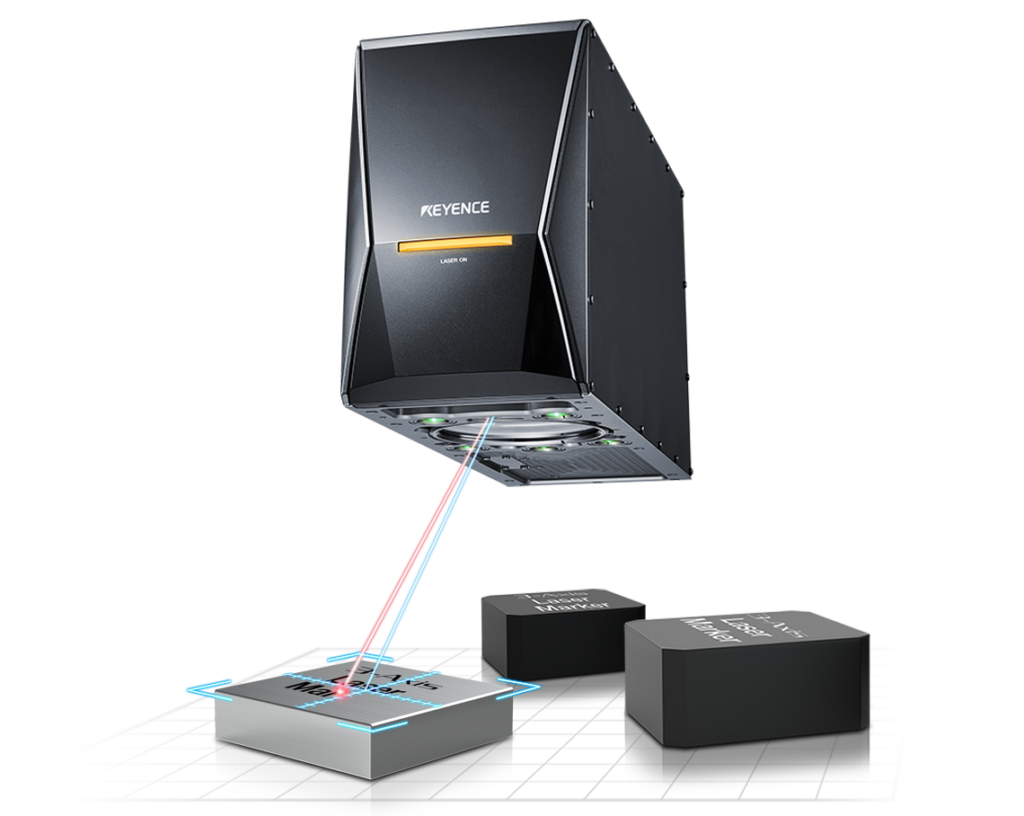
When selecting machine marquage laser, always prioritize the laser source brand (JPT/Raycus) over raw wattage for long-term reliability.
Machine Marquage Laser: Technical Specifications
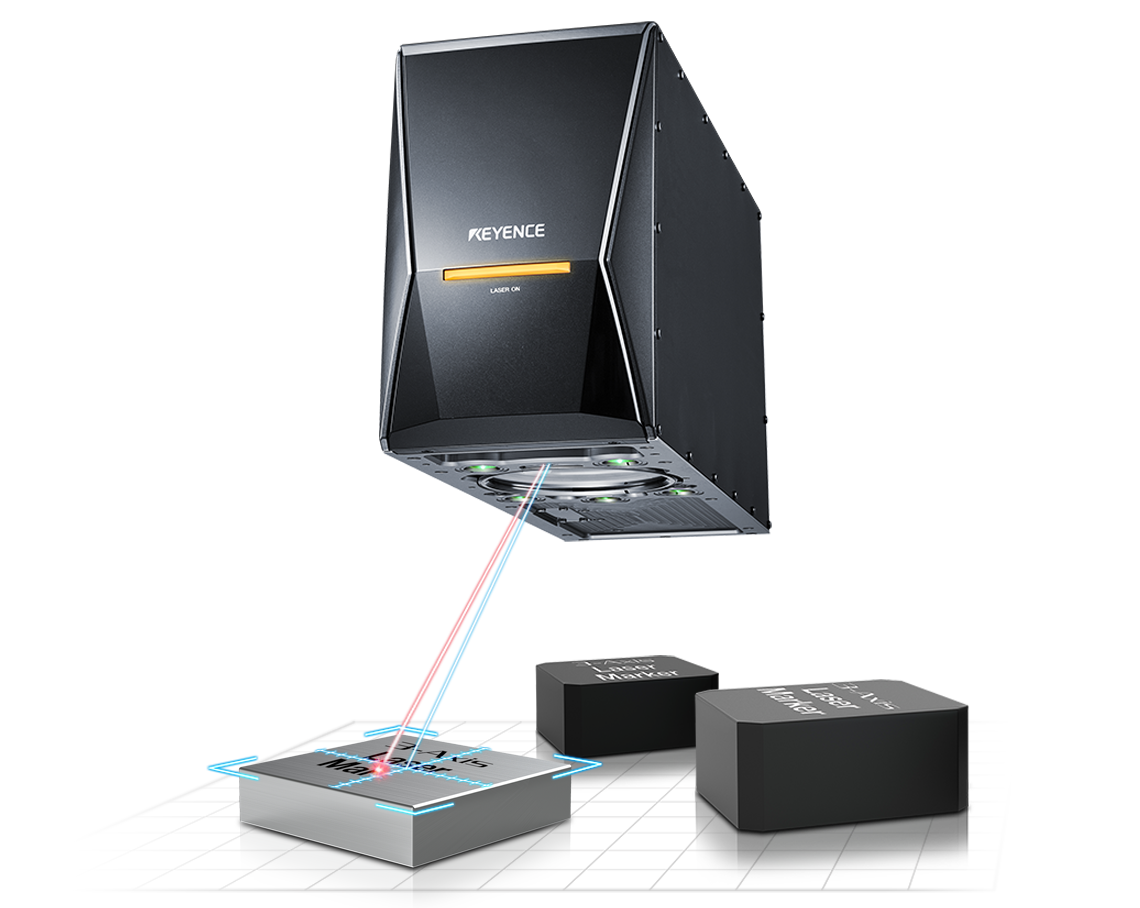
The implementation of a machine marquage laser represents a critical shift toward non-contact, permanent identification in heavy industry. Unlike mechanical engraving or chemical etching, laser marking utilizes a focused beam to alter the surface properties of the material through ablation, foaming, or annealing. This technology ensures full traceability for automotive parts, aerospace components, and medical devices without introducing mechanical stress to the substrate.
The fundamental physics of laser marking relies heavily on the selection of the correct wavelength for the target material. Most industrial fiber laser markers operate at a wavelength of 1064nm, which corresponds to the high absorption coefficient of metals such as stainless steel, aluminum, and titanium. For heat-sensitive materials like plastics or glass, a UV laser source operating at 355nm is required to perform “cold marking” by breaking molecular bonds without generating significant thermal energy.
Pulse energy and duration are the control variables that dictate the quality and depth of the mark. Advanced fiber sources, such as those provided by JPT, allow for MOPA (Master Oscillator Power Amplifier) configurations where pulse width can be tuned independently of frequency. Short pulses with high peak power are essential for removing surface coatings or creating high-contrast annealing marks on steel without compromising the material’s corrosion resistance.
Thermal management is the final critical component of a reliable industrial laser system. While high-power welding units require water chillers, most standard marking machines utilize efficient forced-air cooling architectures due to their lower average power consumption. However, maintaining a stable operating temperature is vital to prevent “mode hopping,” which can degrade beam quality and reduce the sharpness of the final mark during long production cycles.
| Fonctionnalité | Traditional Methods (Inkjet / Dot Peen) | Machine Marquage Laser (Fiber/UV) |
|---|---|---|
| Mark Permanence | Low to Medium (Fades with abrasion or solvents) | Extremely High (Permanent material alteration) |
| Consommables | High (Inks, solvents, replacement pins) | Zero (Non-contact light source) |
| Précision | Low (Limited by nozzle or pin size) | Micron-level precision (Beam spot <0.03mm) |
| Impact du substrat | Mechanical stress or chemical contamination | Non-contact, thermal or photochemical interaction |
| Environnement | Hazardous waste generation (VOCs) | Clean, green technology with fume extraction |
At Klear Laser, we integrate these principles to ensure our clients transition away from high-maintenance legacy systems. By optimizing the interplay between wavelength, pulse energy, and cooling, we deliver marking solutions that meet the rigorous demands of modern manufacturing environments.
Principales caractéristiques et avantages
Klear Laser does not manufacture dedicated laser marking (“marquage”) equipment. Our core expertise is in industrial laser welding and cleaning systems. We prioritize replacing outdated methods with precise, eco-friendly laser solutions specifically for metal joining and surface preparation.
For rust removal applications, our pulsed laser cleaning machines excel with industrial-grade components. The fiber laser sources deliver precise 10-200ns pulse widths, enabling controlled oxide ablation without substrate damage. Integrated beam delivery systems maintain optimal focus for consistent results on steel, aluminum, and composites. Safety interlocks and real-time monitoring ensure operator protection during high-intensity operations.
Our fiber laser welding systems utilize certified JPT or Raycus oscillators rated for 1500W-6000W continuous output. High-precision galvanometer scanning heads with wobble functionality achieve deep penetration (up to 8mm on carbon steel) while minimizing heat input. Closed-loop seam tracking compensates for material gaps, guaranteeing weld integrity in automotive and aerospace fabrication.
The following table compares critical specifications across our primary industrial platforms:
| Fonctionnalité | Pulsed Laser Cleaner (KL-C Series) | Fiber Laser Welder (KL-W Series) |
|---|---|---|
| Source laser | IPG/Q-Switched Fiber, 500W-2000W | JPT MOPA/Raycus QCW, 1500W-6000W |
| Largeur d'impulsion | 10-200 ns (adjustable) | Continuous Wave / Modulated |
| Key Application | Rust/paint removal, oxide stripping | Deep-penetration welding, hermetic sealing |
| Sécurité des substrats | Preserves base metal integrity | Minimal HAZ, no filler material required |
| Profondeur de pénétration | N/A (surface treatment) | Up to 8mm on mild steel (single pass) |
Applications industrielles
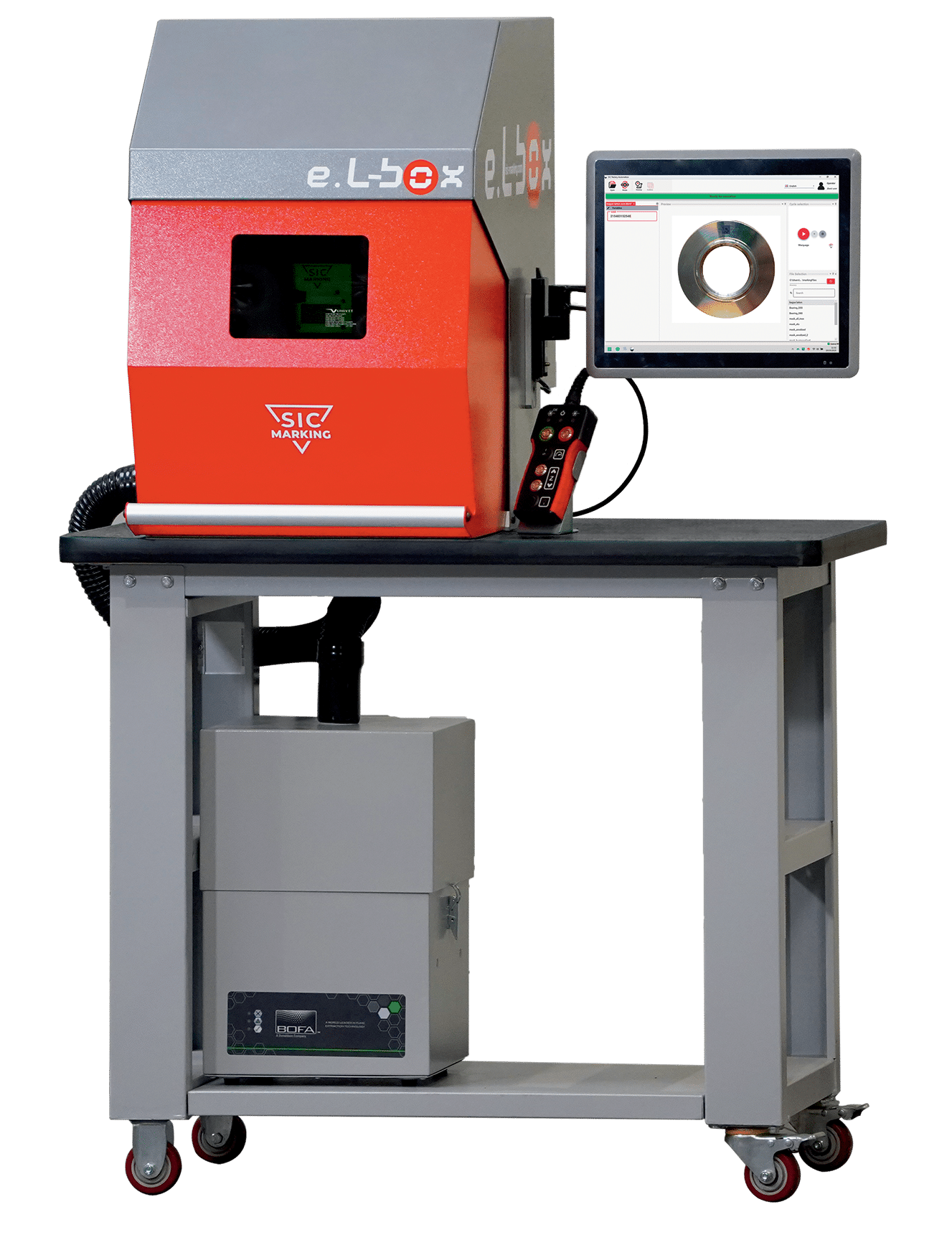
Industrial marking systems deliver permanent identification and traceability across demanding sectors. UV printing technology provides high-contrast, durable marking without the thermal stress of traditional laser engraving. This approach ensures component integrity while meeting stringent industry standards for part serialization and branding.
The automotive industry relies on permanent marking for VIN plates, engine blocks, transmission components, and critical safety parts. These marks must withstand extreme temperatures, chemical exposure, and mechanical wear throughout a vehicle’s 20-year service life. UV printing systems create crisp 2D codes and alphanumeric text on aluminum, steel, and heat-resistant plastics for seamless assembly line tracking and aftermarket part authentication.
Aerospace applications demand absolute precision and material safety. Turbine blades, structural fasteners, and avionics housings require high-resolution marking that doesn’t compromise fatigue resistance or create stress risers. UV printing deposits photosensitive inks that cure instantly under LED lamps, producing aerospace-grade marks on titanium alloys, Inconel, and carbon fiber composites while maintaining substrate mechanical properties.
Marine environments present unique challenges with constant salt spray, UV degradation, and galvanic corrosion risks. Propellers, drive shafts, and hull fittings need corrosion-resistant identification that survives years of seawater immersion. UV-printed markings on stainless steel, bronze, and marine-grade aluminum utilize chemical-resistant inks that bond at the molecular level, outperforming conventional labels and resisting fungal growth common in humid maritime conditions.
| Catégorie de matériaux | Specific Alloys/Types | UV Print Compatibility | Typical Marine Grade | Max Operating Temp |
|---|---|---|---|---|
| Acier au carbone | 1018, 1045, A36 | Excellent with primer | A131/A633 | 400°C |
| Acier inoxydable | 304/316L, 17-4PH | Direct print optimal | 316L (marine) | 870°C |
| Alliages d'aluminium | 6061-T6, 7075-T6 | Requires surface prep | 5083-H116 | 300°C |
| Titane | Grade 2, Ti-6Al-4V | Excellent adhesion | Grade 2/5 | 600°C |
| Superalliages à base de nickel | Inconel 625/718 | Direct print capable | Inconel 625 | 982°C |
| Engineering Plastics | PEEK, Ultem, PC | Excellent UV bonding | PEEK (UV stabilized) | 260°C |
| Composites | Carbon Fiber, G10 | Fiber-dependent | Carbon/epoxy | 180°C |
Klear Laser’s UV printing solutions integrate seamlessly with automated production lines, offering print resolutions up to 1200 DPI and cure times under 2 seconds. The systems use LED-UV curing that eliminates VOC emissions and reduces energy consumption by 70% compared to thermal marking processes. For manufacturers transitioning from traditional laser marking, UV printing provides comparable durability with superior substrate safety and broader material compatibility.
Pourquoi choisir Klear Laser
Klear Laser delivers exceptional value through comprehensive post-purchase support. Our dedicated technical team offers 24/7 assistance via phone, email, and remote diagnostics to resolve any operational issues swiftly. We also provide on-site service and operator training to maximize your machine’s uptime and productivity, ensuring minimal disruption to your industrial processes.
Our robust warranty program underscores the reliability of our laser systems. Standard packages typically cover key components like the laser source (JPT/Raycus), control electronics, and motion systems for 1-2 years. Extended warranty options are available, providing long-term protection and predictable maintenance costs for your investment.
Authentic spare parts and prompt delivery are critical for minimizing downtime. Klear Laser maintains a comprehensive inventory of genuine components specifically designed for your equipment. This ensures compatibility, performance, and safety, guaranteeing quick repairs and extending the operational lifespan of your laser welding, cleaning, or printing system.
| Value Proposition Aspect | Key Features & Benefits |
|---|---|
| Support technique | 24/7 phone/email assistance, remote diagnostics, on-site service calls, expert operator training. |
| Couverture de la garantie | Protection for laser sources (JPT/Raycus), control systems, and motion components; 1-2 year standard; extended options available. |
| Pièces détachées | Extensive inventory of genuine, factory-certified parts; fast shipping; ensures machine longevity and minimizes downtime. |
💰 ROI Calculator: Machine Marquage Laser
Prêt à améliorer votre production ?
Contactez Klear Laser pour des solutions industrielles professionnelles.