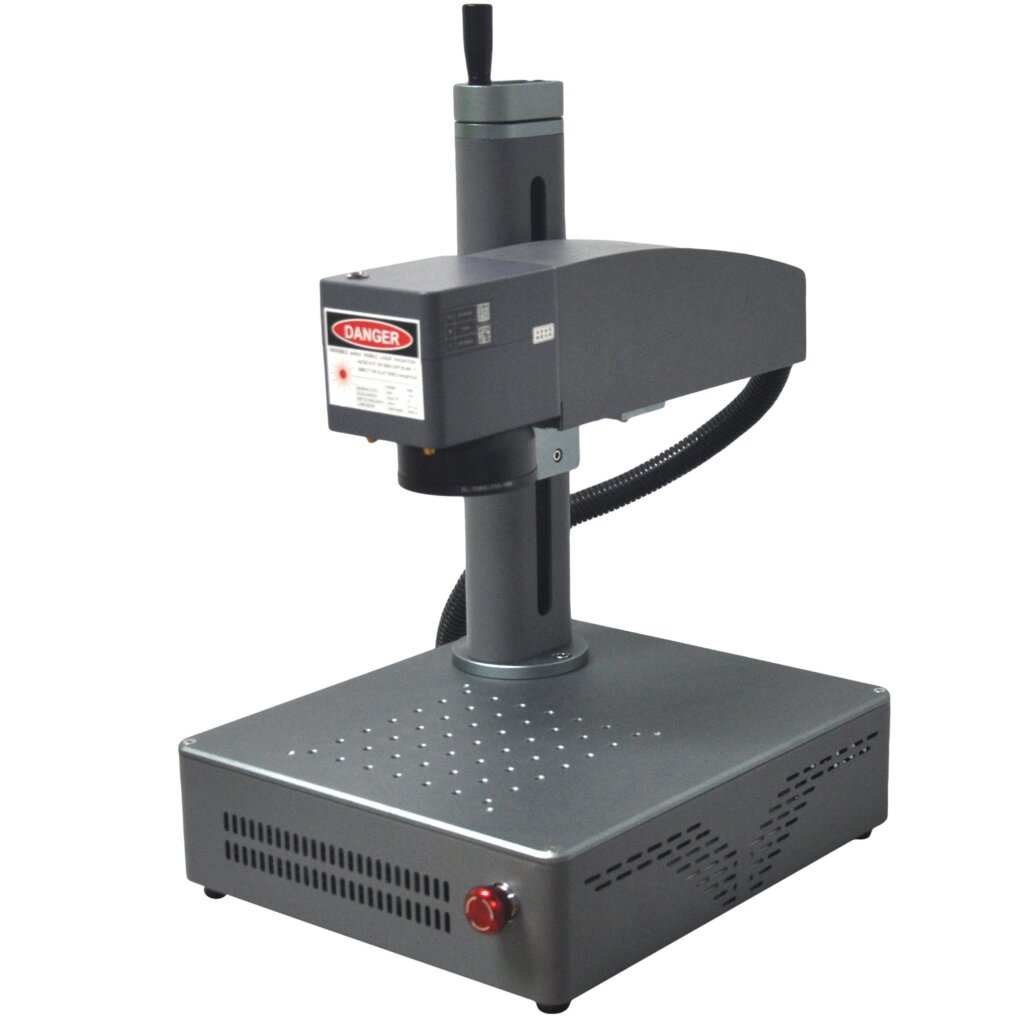
When selecting fiber optic laser engraving machine, always prioritize the laser source brand (JPT/Raycus) over raw wattage for long-term reliability.
Fiber Optic Laser Engraving Machine: Case Study
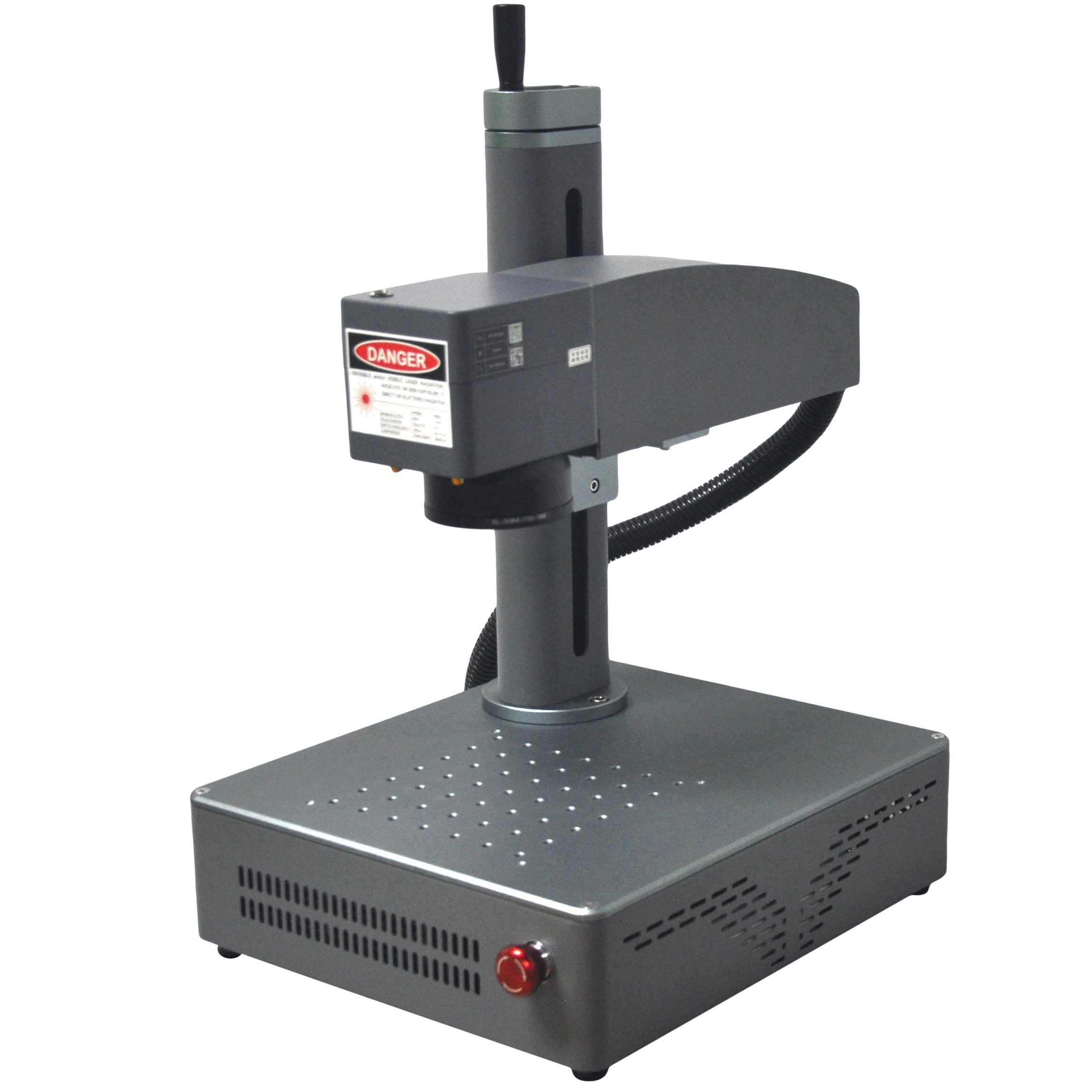
In the high-stakes environment of aerospace component manufacturing, traceability is not optional but a critical regulatory requirement. One of our recent clients, a tier-one supplier for commercial aircraft engines, struggled with significant bottlenecks using traditional dot peen marking systems on their production line. The mechanical stress exerted by dot peen styluses was causing micro-fractures in sensitive titanium alloy parts, leading to an unacceptably high rejection rate during quality control inspections.
To resolve this issue, the facility integrated a Klear Laser fiber optic laser engraving machine equipped with a JPT MOPA laser source. This transition moved the process from a high-impact mechanical operation to a non-contact thermal ablation method. The laser system utilizes high-speed galvanometric scanning mirrors to steer the beam with precision, allowing for the creation of intricate Data Matrix codes and serial numbers without touching the substrate.
The efficiency gains were immediate and measurable within the first week of operation. The cycle time for marking a single turbine blade dropped from forty-five seconds to under four seconds. Because the fiber laser modifies the surface through localized heating and vaporization, the structural integrity of the titanium remained uncompromised. This elimination of mechanical stress reduced the part rejection rate due to marking damage to near zero.
Operational costs also saw a drastic reduction due to the removal of consumables from the workflow. Traditional methods required the frequent replacement of carbide stylus tips and regular maintenance of pneumatic systems. The fiber laser source, conversely, operates with a mean time between failures (MTBF) of over 100,000 hours and requires no inks, bits, or chemicals.
The quality of the mark itself improved significantly regarding contrast and readability for automated scanners. The laser allows for variable pulse width and frequency adjustments, enabling the operator to create high-contrast black annealing marks on stainless steel or deep engravings on aluminum castings. This versatility ensures that parts remain identifiable even after undergoing harsh post-processing treatments like shot peening or heat treatment.
| Fonctionnalité | Traditional Dot Peen Marking | Klear Laser Fiber Optic Engraving |
|---|---|---|
| Vitesse de marquage | Slow (3-5 characters/second) | Ultra-fast (up to 7,000 mm/second) |
| Surface Contact | Physical impact (High Stress) | Non-contact (No Mechanical Stress) |
| Consommables | Carbide pins, pneumatic seals | Aucun (électricité uniquement) |
| Resolution | Low (Dots visible, hard to scan) | High (up to 2500 DPI, clean lines) |
| Niveau sonore | High (Industrial noise pollution) | Silent operation |
| Maintenance | Frequent mechanical repairs | Maintenance-free solid-state source |
| Material Hardness | Limited by pin strength (<62 HRC) | Marks hardened steel, titanium, carbides |
We empower manufacturers to adopt this technology to not only improve throughput but also to align with cleaner industrial practices. The transition to fiber laser engraving represents a shift toward digital precision and away from the noisy, wasteful mechanical methods of the past.
Principales caractéristiques et avantages
Klear Laser does not manufacture fiber optic laser engraving machines. Our industrial focus is exclusively on fiber laser welding systems and pulsed laser cleaning technology. We prioritize replacing polluting processes like chemical rust removal or TIG welding with clean laser alternatives. Inquiries about engraving should reference dedicated laser marking equipment from other specialists.
For precision metal surface modification, our pulsed fiber laser cleaners excel where “engraving” implies rust or coating removal. The JPT MOPA laser source delivers critical microsecond pulse width control down to 4ns. This prevents substrate damage on sensitive materials like aircraft aluminum or historic artifacts. Thermal input is minimized while ablating oxides cleanly without secondary waste.
Our fiber laser welders achieve precision unattainable with engraving machines through advanced beam control. Systems integrate Raycus or JPT QCW sources with integrated wobble welding heads capable of 500Hz oscillation. This enables consistent deep-penetration welds on battery tabs or medical components without keyholing defects. The dynamic focus control maintains optimal spot size across complex contours.
The following table compares core specifications of Klear Laser’s actual industrial systems versus typical engraving machines:
| Fonctionnalité | Klear Pulsed Laser Cleaner | Klear Fiber Laser Welder | Typical Fiber Engraver |
|---|---|---|---|
| Primary Laser Source | JPT MOPA Fiber | Raycus QCW / JPT Resonator | Continuous Wave (CW) Fiber |
| Plage de largeur d'impulsion | 4ns – 2000ns | 0.1ms – 20ms | N/A (CW operation) |
| Key Application | Rust/Coating Removal | Deep Penetration Welding | Surface Marking Only |
| Substrate Safety Focus | Prevents Heat Distortion | Controls Melt Pool Dynamics | Minimal (surface only) |
Applications industrielles
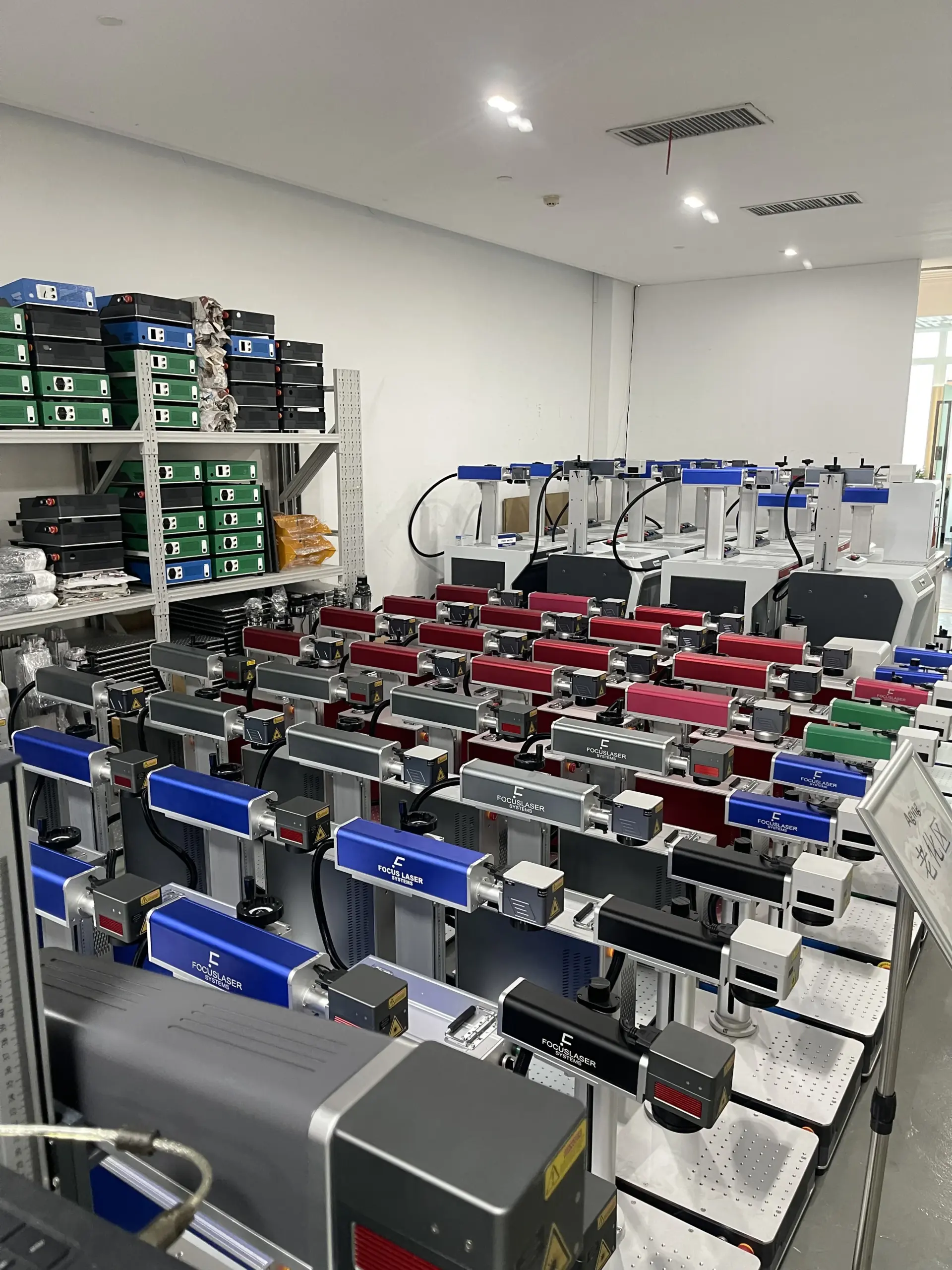
Fiber optic laser engraving machines have revolutionized industrial part marking across critical manufacturing sectors. These systems utilize high-energy density beams to create permanent, high-resolution markings without consumables or tool contact. Their precision and speed make them indispensable for regulatory compliance and supply chain traceability. The technology excels in applications demanding durability, legibility, and zero material contamination.
The automotive industry relies heavily on fiber optic laser engraving for permanent component identification throughout the production lifecycle. These systems mark engine blocks, transmission gears, and chassis parts with VIN numbers, date codes, and QR symbols that survive harsh operating conditions. The process ensures compliance with ISO 9001 traceability requirements while maintaining production line speeds exceeding 6,000 mm/s. Manufacturers benefit from non-contact marking that eliminates part distortion and requires zero maintenance downtime.
Aerospace manufacturers demand absolute precision for part marking under extreme thermal and mechanical stresses. Fiber optic lasers create microscopic, corrosion-resistant identifiers on turbine blades, landing gear components, and structural fasteners without introducing stress risers. These markings meet stringent AS9100 and MIL-STD-130 specifications for unique item identification and counterfeit prevention. The technology’s ability to mark lightweight alloys and superalloys with minimal heat-affected zone preserves critical material properties.
Marine equipment manufacturers utilize fiber optic laser engraving for permanent identification in corrosive saltwater environments. The process produces deep, oxide-based marks on propellers, shafting, navigation hardware, and hull fittings that remain legible after decades of service. Engraved markings withstand UV degradation, galvanic corrosion, and abrasive cleaning protocols inherent to maritime operations. This capability supports IMO regulations for component traceability and classification society documentation requirements.
| Matériau | Engraving Quality | Engraving Depth | Industrial Application |
|---|---|---|---|
| Acier inoxydable | High contrast black mark | 0.1-0.3 mm | Auto VIN plates, aerospace fasteners |
| Alliage d'aluminium | White/gray surface mark | 0.05-0.2 mm | Marine components, engine blocks |
| Titane | Precise oxide layer marking | 0.02-0.1 mm | Turbine blades, structural airframe parts |
| Acier au carbone | Deep permanent marks | 0.2-0.5 mm | Gears, tools, chassis components |
| Laiton/Cuivre | Dark annealed contrast | 0.1-0.25 mm | Marine fittings, electrical connectors |
| Inconel/Hastelloy | Crisp high-temp resistant | 0.01-0.08 mm | Aerospace engine components |
Fiber optic laser engraving technology delivers unmatched reliability for industrial marking with operational lifespans exceeding 100,000 hours. These systems integrate directly with factory automation networks for real-time data synchronization and quality verification. The digital process eliminates consumable costs while providing resolution down to 20 microns for micro-marking applications. This combination of permanence, precision, and productivity makes fiber laser engraving the definitive solution for modern manufacturing identification requirements.
Pourquoi choisir Klear Laser
Support technique
Klear Laser provides 24/7 technical support via phone, email, and remote assistance. Our experienced engineers resolve issues rapidly, minimizing production downtime. Onsite service is available for complex industrial installations.
Comprehensive Warranty
All systems include a 2-year warranty covering critical laser sources, optics, and motion systems. Extended warranties are available for high-volume industrial applications.
Genuine Spare Parts
Authentic Klear Laser components ensure optimal performance and longevity. We maintain a global logistics network for fast delivery of wear items like focus lenses and nozzles.
| Value Proposition Element | Caractéristiques principales | Industrial Benefit |
|---|---|---|
| Support technique | 24/7 availability, experienced engineers | Maximizes machine uptime |
| Comprehensive Warranty | 2-year coverage on critical components | Reduces operational risks |
| Genuine Spare Parts | Authentic components, global logistics network | Ensures long-term reliability |
💰 ROI Calculator: Fiber Optic Laser Engraving Machine
Prêt à améliorer votre production ?
Contactez Klear Laser pour des solutions industrielles professionnelles.