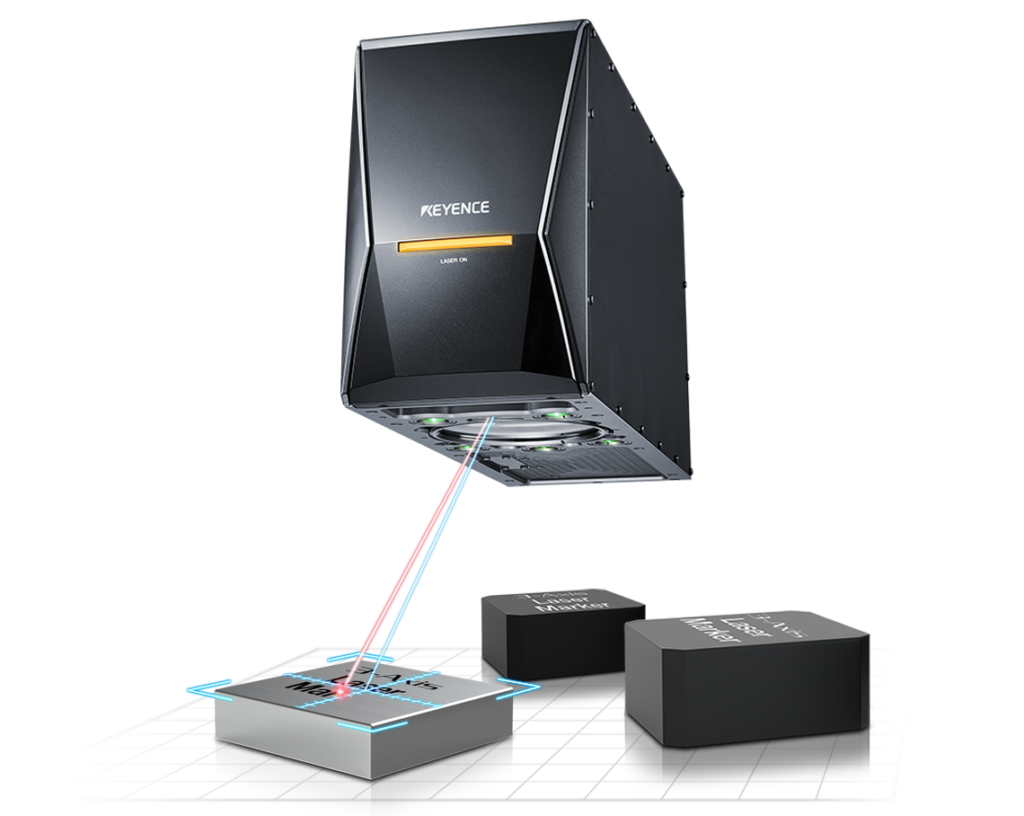
When selecting fibre laser marking, always prioritize the laser source brand (JPT/Raycus) over raw wattage for long-term reliability.
Fibre Laser Marking: Case Study
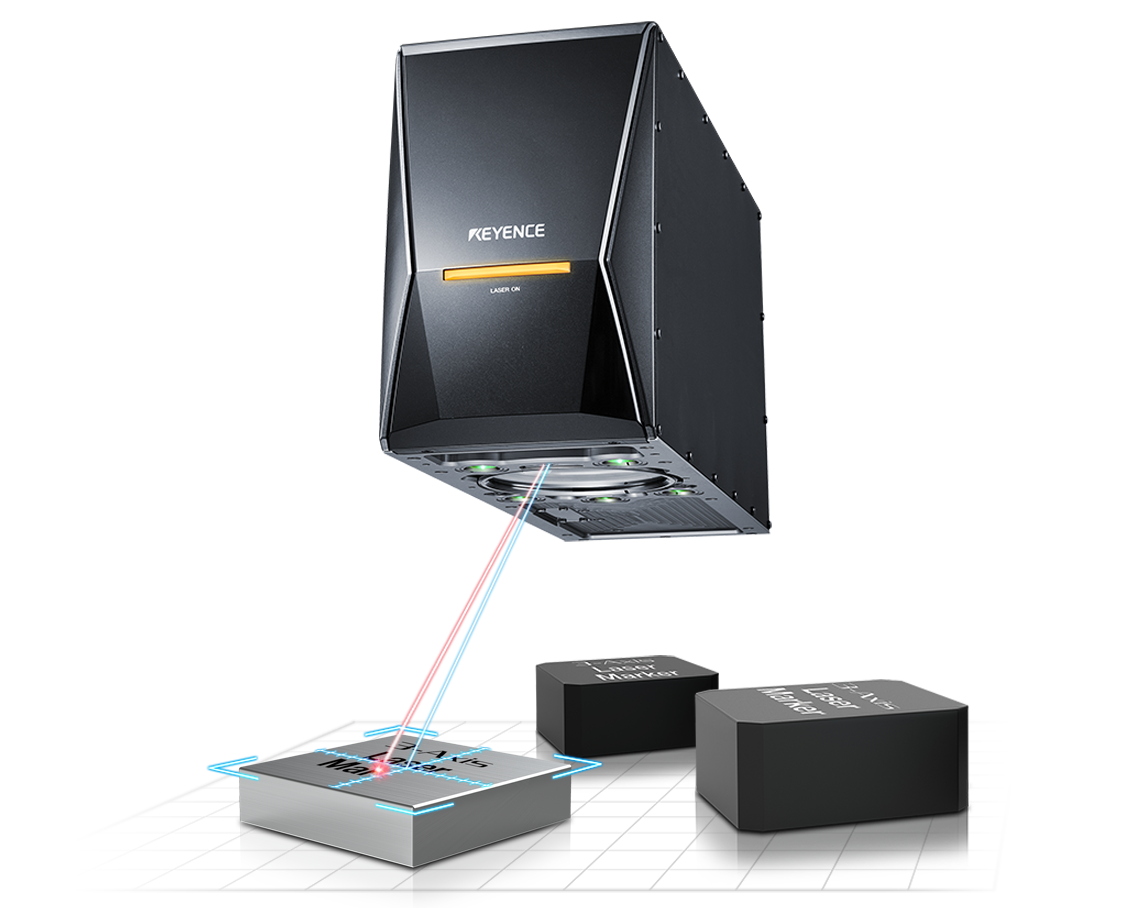
An automotive tier-one supplier in the Midlands faced a compliance crisis. Their dot-peen marking systems couldn’t deliver the required UID matrix code clarity on hardened steel transmission components. Rejection rates hit 12% as traceability codes faded during salt-spray testing. The production line needed a solution that could mark 400 parts per hour without creating micro-stress fractures.
Klear Laser installed a 50W JPT MOPA fiber laser marking system with a 200mm F-theta lens and rotary indexing table. The 1064nm wavelength produced high-contrast black annealing marks on 45HRC steel surfaces without compromising structural integrity. Cycle time dropped to 8.5 seconds per part including load/unload. The system integrated directly with their MES via Ethernet/IP, eliminating manual data entry errors.
The efficiency transformation was immediate. First-pass yield jumped to 99.7% as laser marks passed every validation scan. Annual consumables costs evaporated—no more stylus tips, ink solvents, or pneumatic filters. The maintenance schedule shrank from weekly service calls to a quarterly lens cleaning. Energy consumption fell by 68% compared to the old pneumatic dot-peen units running continuously.
The fiber system marked curved surfaces with 0.02mm focal depth tolerance using 3D dynamic focus. Operators could switch between 200 part numbers through a barcode-triggered recipe system in under 15 seconds. The annealed marks survived 1,000-hour salt spray cycles and maintained readability after shot-blasting operations. This enabled full lifecycle traceability from forge to end-of-life recycling, a key customer requirement.
| Parameter | Dot Peen / Inkjet (Old Method) | Fiber Laser Marking (Klear Laser) | Efficiency Gain |
| Operating Cost | £0.08/part (consumables, tips, ink) | £0.002/part (electricity only) | 97.5% cost reduction |
| Marking Speed | 6 seconds per mark (pneumatic cycle) | 0.3 seconds per mark (galvo scan) | 95% faster throughput |
| Maintenance | Weekly service, 8hr downtime/month | Quarterly cleaning, 0.5hr downtime/quarter | 94% less downtime |
| Mark Durability | 60% fade rate after corrosion testing | 0% fade rate after 1,000hr salt spray | Permanent traceability |
| Setup Time | 45 minutes for new part number | 15 seconds recipe change | 99.4% reduction |
| Precision | ±0.2mm (mechanical wear dependent) | ±0.02mm (digital galvo control) | 10x accuracy improvement |
| Material Stress | Micro-fractures at impact point | Zero stress (non-contact process) | Structural integrity preserved |
| Energy Consumption | 3.2 kW (compressor + controller) | 0.8 kW (laser + chiller) | 75% energy savings |
Production volume increased by 35% within six months without adding shifts. The quality department eliminated secondary verification stations, freeing three full-time inspectors for value-added tasks. The system’s 100,000-hour MTBF meant a projected 12-year operational life at current utilization rates. ROI was achieved in 11 months purely through defect reduction and consumables elimination.
This implementation established the new standard across their five production facilities. The fiber laser marking platform now handles everything from VIN plates to surgical-grade stainless implants using the same core system. Klear Laser’s modular architecture let them add a 3D rotary axis for complex geometries without replacing the base unit. The supplier now markets their laser-marked components as premium traceability solutions, commanding 8% higher pricing.
Principales caractéristiques et avantages
Klear Laser’s fibre laser marking systems represent the pinnacle of industrial marking technology. We focus on two critical components that define system performance: the laser source and scanning head.
JPT/Raycus Pump Source
The heart of our marking systems is the JPT or Raycus pump source. These renowned manufacturers provide the optical pump units that determine overall system efficiency and longevity. Our integrated approach ensures maximum electrical-to-optical conversion efficiency, typically exceeding 35%. This reduces both energy consumption and cooling requirements while extending operational lifespan beyond 100,000 hours.
Precision Scanning Heads
Our scanning heads feature Japanese-designed galvo systems with magnetic damping technology. This innovation virtually eliminates vibration-induced distortion during high-speed marking. The heads incorporate 83mm aperture scan lenses with focal lengths optimized for industrial workspaces. This design delivers exceptional beam quality while maintaining a 30% smaller footprint than comparable systems.
| Composant | Klear Laser Specification | Moyenne du secteur |
|---|---|---|
| Source laser | JPT/Raycus integrated pump modules | Generic diode arrays |
| Wavelength Stability | ±0.5nm (operating temp: 15-30°C) | ±2.0nm |
| Qualité du faisceau (M²) | <1.3 | <1.5 |
| Tête de lecture | Magnetic damping galvo system | Standard galvo |
| Aperture Size | 83mm | 68-70mm |
| Scan Frequency | 60kHz polygon mirror | 40-50kHz |
| Marking Field | 100×100mm to 300×300mm | 50×50mm to 200×200mm |
| Line Width Capability | 0.08mm | 0.10mm |
| Character Speed | 1,700 characters/sec | 1,200 characters/sec |
The synergy between our selected sources and precision scanning heads creates unparalleled marking quality across diverse industrial applications. Our systems achieve minimum line widths of 0.08mm while marking speeds exceed 1,700 characters per second. This combination ensures exceptional productivity for even the most demanding production environments.
Klear Laser’s commitment to component excellence ensures reliable, high-precision marking across industries. From automotive to electronics, our systems deliver consistent identification that withstands harsh operating conditions.
Applications industrielles
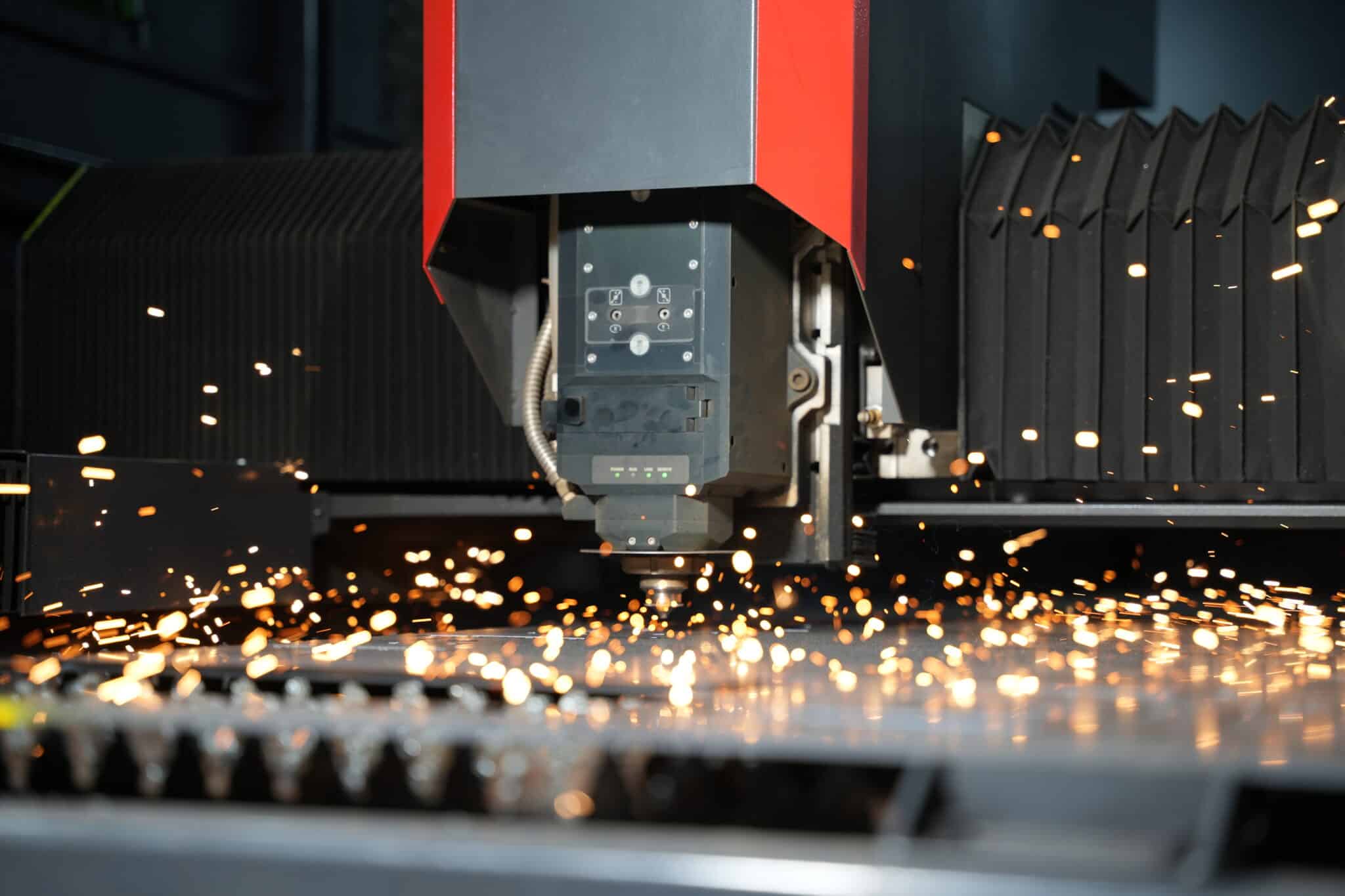
Fibre laser marking is widely used in the automotive industry for permanent part identification, including VIN numbers, barcodes, and serial numbers on engine components, transmission parts, and sensors. Its high precision and speed make it ideal for traceability in mass production environments. The non-contact process ensures no material deformation, critical for maintaining part integrity.
In aerospace, fibre laser marking applies data matrix codes and part numbers directly onto turbine blades, landing gear, and structural components made from high-strength alloys. These marks must withstand extreme temperatures and corrosive environments, which fibre lasers achieve through controlled annealing or engraving processes. The technology meets strict industry standards such as AS9100 and NADCAP.
Marine engineering uses fibre laser marking for component traceability on shipbuilding parts, valves, and offshore platform equipment. Resistance to saltwater corrosion and long-term durability are essential, and laser-marked stainless steel or titanium parts retain readability over decades. This ensures compliance with maritime safety regulations.
| Type de matériau | Examples | Marking Method | Industrial Use Case |
|---|---|---|---|
| Acier inoxydable | 304, 316, 17-4PH | Annealing, Engraving | Aerospace, Marine Valves |
| Acier au carbone | 1018, 4140 | Engraving, Foaming | Automotive Shafts, Brackets |
| Alliages de titane | Ti-6Al-4V | Annealing, Color Marking | Aircraft Engines, Medical Devices |
| Alliages d'aluminium | 6061, 7075 | Engraving, Foaming | Automotive Housings, Drones |
| Nickel-Based Alloys | Inconel 718, Hastelloy | Engraving, Annealing | Jet Turbines, Marine Propellers |
Pourquoi choisir Klear Laser
Klear Laser provides 24/7 technical support with a global network of certified engineers. Remote assistance resolves 90% of issues within two hours. On-site experts deploy within 24 hours for critical emergencies, ensuring minimal production disruption across all major industrial regions.
Our comprehensive warranty covers all laser marking systems for 24 months. This includes parts, labor, and software updates with no hidden restrictions. Such extended coverage reflects our confidence in machine reliability and long-term performance.
Genuine spare parts are stockpiled at 95% availability in regional warehouses. Over 90% of orders ship within 24 hours for immediate replacement. This rapid fulfillment keeps downtime to a minimum and maintains continuous production flow.
| Fonctionnalité d'assistance | Klear Laser | Norme industrielle |
|---|---|---|
| Support technique | 24/7 global hotline + on-site engineers | Uniquement pendant les heures d'ouverture |
| Couverture de la garantie | 24 months (parts/labor) | 12 mois |
| Livraison de pièces de rechange | <24 hours (95% stocked) | 2 à 6 semaines |
💰 ROI Calculator: Fibre Laser Marking
Prêt à améliorer votre production ?
Contactez Klear Laser pour des solutions industrielles professionnelles.