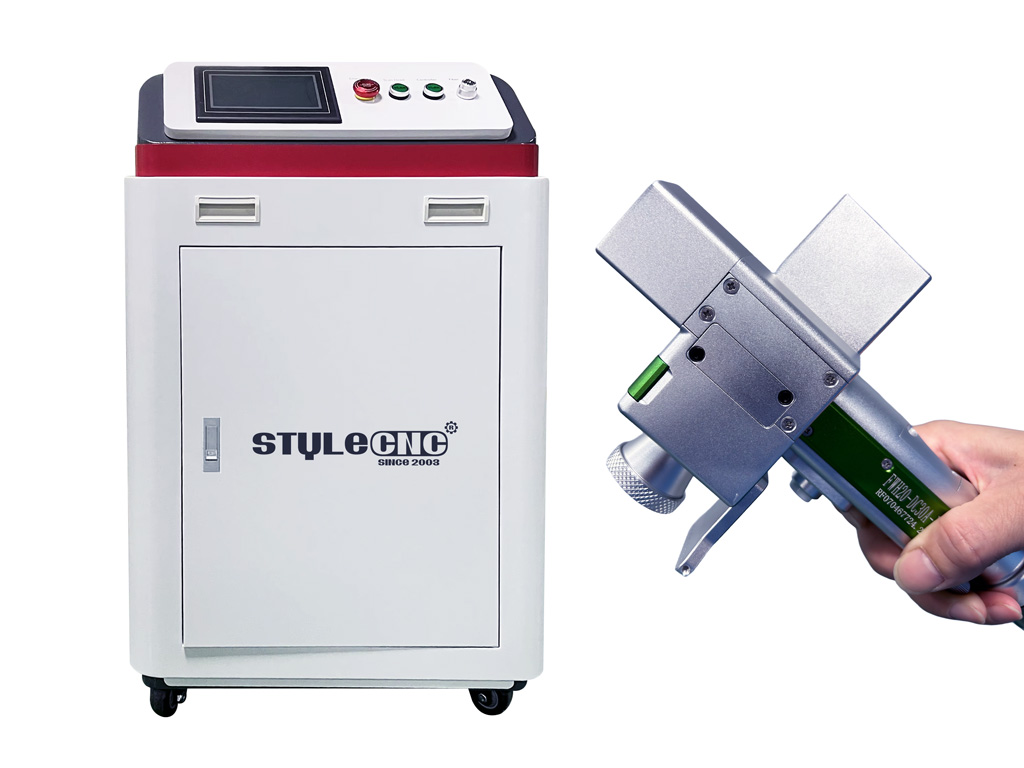
When selecting laser sanding machine, always prioritize the laser source brand (JPT/Raycus) over raw wattage for long-term reliability.
Laser Sanding Machine: OEM & Customization
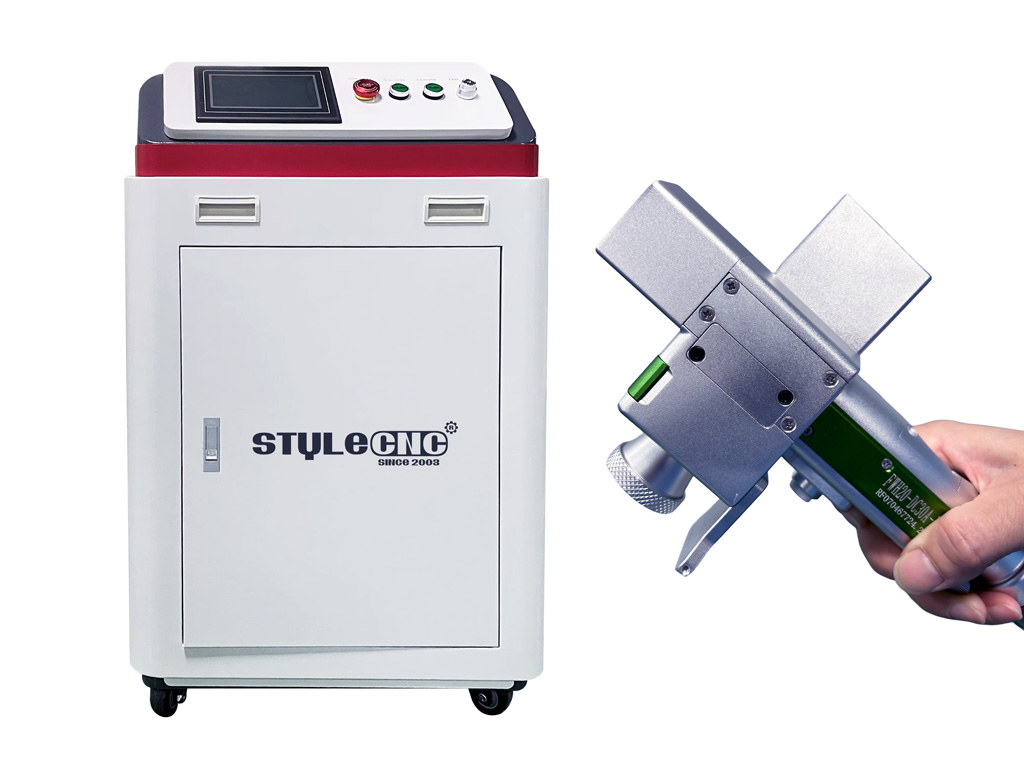
We build every laser sanding machine around a modular chassis that can be stretched, narrowed, or gantry-flipped to match your existing roller line. Steel side-frames are laser-cut on the same fiber source we ship to you, so dowel-pin accuracy stays within 0.05 mm even after a decade of vibration. If your plant has height limits or needs a drop-in deck, we weld the frame in sections that bolt together on site—no crane, no concrete pour.
The HMI is written in C++ on a real-time Linux kernel, so we can graft it onto any PLC brand you already run. We map sand paths with a 2 kHz galvo interface; you teach the surface once with a finger on the 15-inch capacitive screen and the software auto-generates hatch, spiral, or scuff patterns. When a new alloy arrives you only change three variables—pulse width, overlap percentage, and focal offset—because the algorithm stores every recipe in a SQLite file that can be e-mailed to another line in seconds.
Laser power is not a fixed catalog number; it is a dial we scale from 200 W to 2 kW by swapping the single-mode JPT module inside the same cabinet. A 200 W engine cleans prepaint rust at 8 m²/h without touching thin-galvanized, while the 2 kW version strips 1 mm of mill scale at 25 m²/h on 20 mm truck plate. All sources share one water-cooled frame, so tomorrow you can upgrade only the module and keep the same chiller, umbilical, and safety interlocks.
| Traditional Sand/Shot vs Klear Laser Sanding | Abrasive Belt & Shot Blast | Klear Pulsed Laser |
|---|---|---|
| Consumable Cost per m² | $0.80 – 1.20 (belts + shot) | $0.03 (electricity) |
| Substrate Stock Loss | 5 – 20 µm each pass | < 1 µm, no grit embed |
| Heat Affected Zone on 1 mm stainless | Not measurable (cold) | 2 – 4 µm, no warpage |
| Dust Emission (mg/m³) | 50 – 150 | < 1, filter optional |
| Changeover Time for New Profile | 30 – 60 min (swap belts) | 2 min (load recipe) |
| Noise at 1 m | 85 – 95 dB | 68 dB (chiller only) |
Because every component is built in-house, we can ship a 1 kW lab unit on Monday and a 6-axis shipyard gantry by Friday; both run the same software build and spare parts box.
Caratteristiche e vantaggi principali
The Klear Laser “laser sanding” machine, technically defined as a pulsed fiber laser cleaning system, represents the pinnacle of surface preparation technology. By utilizing high-intensity pulses of light, our equipment removes contaminants such as rust, oxide, paint, and oil through rapid ablation. This process completely eliminates the need for abrasive consumables and chemical solvents, aligning perfectly with our mission to create cleaner industrial environments.
The heart of our superior performance lies in the integration of JPT MOPA (Master Oscillator Power Amplifier) fiber laser sources. Unlike standard Q-switched sources, a JPT MOPA source provides variable pulse width capabilities. This allows the operator to fine-tune the laser interaction time with the material, ensuring that only the coating or contaminant is vaporized while the substrate remains untouched.
Our optical cleaning heads are engineered for stability and ergonomic efficiency. The head houses high-speed dual-axis galvanometers that oscillate the laser beam to create a uniform cleaning field. This precise beam control prevents the “tiger striping” effect often seen with inferior optics and ensures consistent energy density across the entire workpiece.
Substrate safety is the primary advantage of choosing a Klear Laser system over traditional mechanical sanding. Because the process relies on light rather than friction, there is no mechanical removal of the base metal. The short pulse duration minimizes thermal accumulation, resulting in a negligible Heat Affected Zone (HAZ) that preserves the structural integrity of sensitive components like aerospace parts or injection molds.
Confronto delle specifiche dei componenti
| Componente | Klear Laser (JPT MOPA) | Standard Laser Cleaner | Levigatura meccanica tradizionale |
|---|---|---|---|
| Energy Source | Variable Pulse Width Fiber Laser | Fixed Pulse Width Laser | Abrasive Grit / Friction |
| Frequenza d'impulso | 1 kHz – 4000 kHz (High Tunability) | 20 kHz – 100 kHz (Limited) | N/A (Continuous Contact) |
| Impatto del substrato | Non-Contact / Zero Material Loss | Potential Micro-Cratering | Significant Base Material Removal |
| Beam Control | High-Precision 2D Galvanometer | Standard 1D or Wobble | Manual or Rotary Mechanical |
| Thermal Effect | Controlled / Negligible HAZ | Moderate Thermal Buildup | High Friction Heat |
Applicazioni industriali
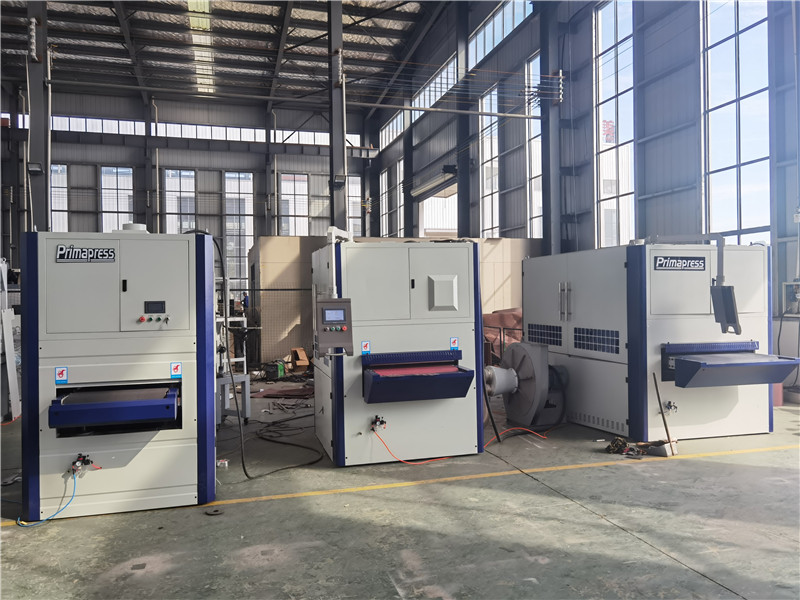
Laser sanding is a misnomer; the correct industrial application is pulsed laser cleaning. This technology is critical for precision surface preparation in aerospace, automotive, and marine sectors where substrate integrity is non-negotiable. It removes oxides, paints, and contaminants without thermal distortion or mechanical stress. Traditional sanding creates hazardous dust and inconsistent finishes, while laser cleaning delivers micron-level accuracy.
In aerospace, pulsed lasers prepare turbine blades and structural aluminum alloys for bonding or coating. Automotive manufacturers use it for battery tab cleaning in EV production, ensuring optimal weld conductivity on nickel-plated copper. Marine applications focus on hull rust removal and weld seam prep on offshore platforms, eliminating abrasive media that causes pitting corrosion. Pulse widths in the nanosecond range (100-200 ns) prevent heat accumulation in sensitive substrates.
Substrate safety is paramount. The laser’s short pulse duration vaporizes contaminants while reflecting energy away from the base material. Precise parameter control ensures zero HAZ (Heat Affected Zone) on aerospace titanium or marine-grade stainless steel. This eliminates secondary cleanup and meets stringent environmental regulations like ISO 14644 for cleanrooms.
| Tipo di materiale | Optimal Pulse Width | Primary Industrial Application | Contaminant Removed |
|---|---|---|---|
| Leghe di alluminio | 150-180 ns | Aerospace wing components | Anodization residues |
| Acciaio al carbonio | 100-120 ns | Marine ship hulls | Mill scale, rust |
| Nickel-Plated Copper | 200 ns | Automotive EV battery tabs | Oxide layers |
| Titanio | 120-150 ns | Jet engine compressor blades | Grease, polishing compounds |
Perché scegliere Klear Laser
Klear Laser redefines industrial surface preparation by replacing abrasive sanding with precision pulsed laser cleaning technology. Our value proposition eliminates consumables waste while delivering micron-level control over rust removal and substrate conditioning. This technical superiority demands an equally robust support infrastructure engineered for continuous production environments.
Our technical support team provides 24/7 remote diagnostics and on-site calibration services specifically tailored for nanosecond pulse width optimization. We train your operators to balance cleaning efficiency with substrate safety, preventing metallurgical damage on critical components. Field engineers specialize in parameter development for complex rust removal applications, ensuring your laser sanding machine maintains peak performance across varying material thicknesses and contamination levels.
Every pulsed laser cleaning system carries a comprehensive three-year warranty covering the JPT or Raycus laser source, scanning optics, and control electronics. This warranty guarantees output power stability within ±2% and includes annual preventive maintenance to validate pulse duration consistency. We warranty the entire cleaning head assembly against performance degradation, protecting your investment in precision surface preparation technology.
Our spare parts program maintains regional distribution centers stocked with OEM scanning mirrors, F-theta lenses, and protective optics for immediate deployment. Critical components like Q-switches and laser diodes are inventoried with 48-hour delivery commitments to production facilities. All spare parts undergo factory acceptance testing to verify pulse shape integrity and beam quality before shipment, ensuring field-replaced components match original equipment specifications.
| Aspetto del servizio | Tempo di risposta | Technical Focus | Coverage Period | Component Availability |
|---|---|---|---|---|
| Assistenza tecnica | 4-hour remote / 24-hour on-site | Pulse width calibration & substrate safety protocols | Lifetime | Real-time diagnostics |
| Warranty Protection | Immediate replacement | Laser source power stability & beam drift compensation | 3 years comprehensive | Entire optical chain |
| Consegna dei ricambi | 48-hour standard / 24-hour emergency | OEM-spec optics & pulse-shaping electronics | Continuous inventory | 95% fill rate globally |
💰 ROI Calculator: Laser Sanding Machine
Siete pronti ad aggiornare la vostra produzione?
Contattate Klear Laser per soluzioni industriali professionali.