When selecting laser cleaning machine paint removal, always prioritize the laser source brand (JPT/Raycus) over raw wattage for long-term reliability.
Laser Cleaning Machine Paint Removal: Market Trends & ROI
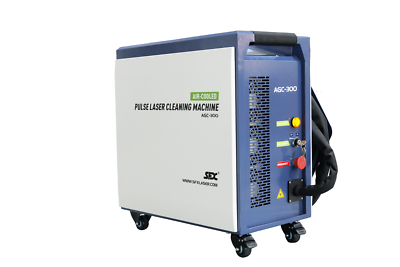
Industrial paint removal represents a critical maintenance and rework challenge across aerospace, automotive, and heavy equipment manufacturing sectors. Traditional methods create bottlenecks, environmental compliance costs, and substrate damage risks that directly impact profitability. Pulsed laser cleaning technology eliminates these constraints by delivering precise, non-abrasive paint stripping with minimal thermal impact.
Market demand is accelerating as environmental regulations tighten and labor costs rise. Manufacturers processing high-value components cannot tolerate substrate erosion from sandblasting or hazardous waste from chemical stripping. Laser cleaning machines now process automotive body panels, aircraft fuselage sections, and industrial machinery frames at throughput rates that match or exceed conventional methods.
Return on investment typically materializes within 12-18 months for mid-volume operations. A single 500W pulsed laser system replaces 3-4 manual operators while eliminating consumables spending and hazardous waste disposal fees. Energy consumption drops by 60-70% compared to thermal ovens, and component rework rates decrease substantially due to selective layer removal capability.
Pulse width control determines both cleaning efficiency and substrate preservation. Nanosecond pulses effectively fracture paint coatings through photomechanical effects without conducting heat into the base metal. This parameter protects aluminum aircraft skins, carbon fiber composites, and precision-machined surfaces from thermal distortion or metallurgical changes.
Substrate safety metrics demonstrate laser cleaning superiority across critical applications. Peak power density remains below the ablation threshold of steel, titanium, and Inconel while exceeding the binding energy of epoxy, polyurethane, and powder coatings. Process monitoring systems adjust fluence in real-time, preventing micro-pitting or surface hardening that compromises fatigue life in aerospace components.
| Parameter | Sandblasting | Chemical Stripping | Laser Cleaning |
| Cost per m² | $8-12 (media/disposal) | $15-25 (chemicals/labor) | $2-4 (electricity only) |
| Processing Speed | 0.3-0.5 m²/hour | 0.2-0.4 m²/hour (dwell time) | 0.6-1.2 m²/hour |
| Substrate Damage | 25-50 μm erosion | Hydrogen embrittlement risk | <1 μm heat affected zone |
| Precision | Line-of-sight only | Total immersion required | 0.1mm spot accuracy |
| Environmental Impact | Silica dust, waste media | VOCs, toxic sludge | Zero emissions |
| Maintenance Impact | Daily nozzle wear | Weekly bath replacement | 10,000-hour laser source life |
Profitability scales directly with component value and throughput requirements. High-mix, low-volume aerospace MRO facilities achieve breakeven at 15-20 hours weekly operation. Automotive tier suppliers running three-shift production see 300% ROI within two years through eliminated downtime and quality gains.
Industrial adoption curves indicate market penetration moving from early adopter to mainstream phase. Defense contractors mandate laser cleaning for depot-level maintenance due to MIL-SPEC compliance advantages. Commercial shipyards reduce drydock time by 40% when removing marine coatings from propellers and hull fittings. Power generation facilities maintain turbine components without disassembly, representing untapped service revenue potential for equipment owners.
Caratteristiche e vantaggi principali
Klear Laser’s paint removal systems excel through advanced optical components engineered for precision ablation. Our fiber laser sources deliver ultra-short pulse widths (10-100ns), enabling rapid vaporization of organic coatings without substrate heating. This minimizes thermal distortion while maximizing removal efficiency.
The specialized cleaning head integrates multi-element focusing optics and a coaxial shielding gas system. This design ensures consistent beam quality, adjustable spot sizes (0.1-0.5mm), and debris management during operation. Built-in real-time monitoring compensates for surface variations, maintaining consistent power density.
| Modello | Sorgente laser | Larghezza d'impulso | Potenza massima | Sicurezza del substrato |
|---|---|---|---|---|
| Klear LC-1000 | JPT MOPA Fibra | 10-100ns | 100W | Adaptive Q-switch, real-time energy monitoring |
| Klear LC-2000 | Raycus High-Peak | 50-200ns | 200W | Dual-beam homogenizer, temperature feedback loop |
Superiority stems from component synergy: the high-peak-power sources (up to 200W) strip coatings in fewer passes, while the sealed optical path prevents contamination. This combination achieves Sa 3 (white metal) cleanliness on diverse substrates—from automotive clear coats to marine anti-fouling paints—without abrasive contact.
Applicazioni industriali
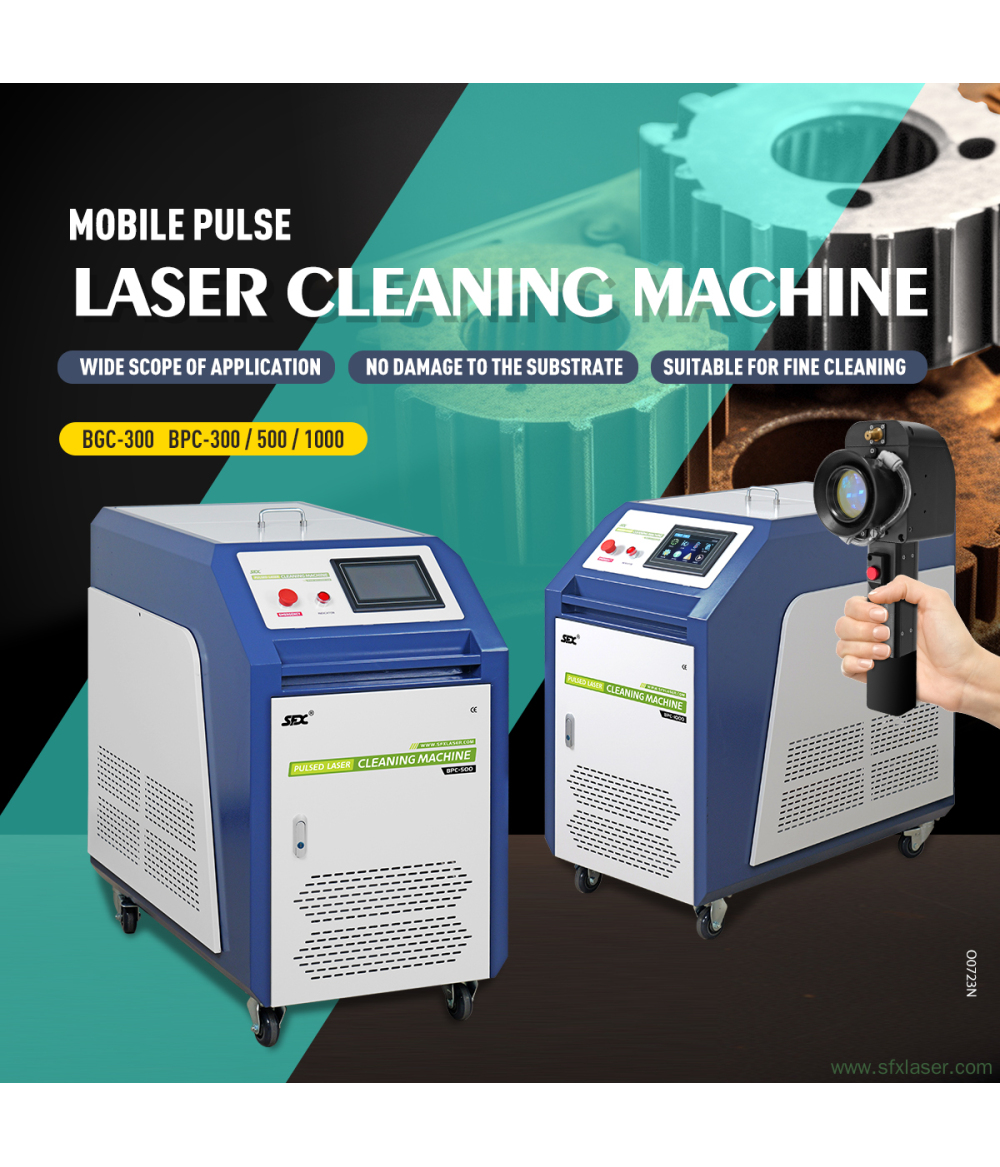
Laser cleaning machines are widely used for paint removal in the aerospace industry. Their precision ensures complete coating ablation without damaging sensitive aluminum or composite substrates. The process is non-abrasive and eliminates the need for chemical strippers, making it ideal for maintenance, repair, and overhaul (MRO) operations.
In the automotive sector, laser cleaning effectively strips paint from chassis, engine components, and车身 assemblies. It integrates seamlessly into production and restoration workflows, offering consistent results on both steel and aluminum. Pulse width control allows selective paint removal while preserving underlying anti-corrosion layers.
Marine applications include hull and deck paint stripping on steel and fiberglass vessels. The technology reduces hazardous waste and supports environmental compliance in shipyards. Its ability to operate safely in confined spaces increases its utility during dry-dock maintenance.
| Tipo di materiale | Paint Type Removed | Compatibilità con i substrati | Larghezza d'impulso consigliata |
|---|---|---|---|
| Leghe di alluminio | Epoxy, Polyurethane | Alto | 100–200 ns |
| Acciaio al carbonio | Acrylic, Alkyd | Alto | 150–300 ns |
| Acciaio inox | Powder Coating, Enamel | Alto | 100–200 ns |
| Composites (CFRP) | Aerospace Primers | Medium to High | 80–150 ns |
| Fiberglass | Marine Gelcoat & Paint | Medio | 200–400 ns |
| Ghisa | Rust-Inhibitive Primers | Alto | 200–350 ns |
Klear Laser’s pulsed systems use adjustable pulse widths and energy densities to optimize paint removal across these materials. This ensures minimal thermal impact and full substrate protection.
Perché scegliere Klear Laser
Klear Laser’s technical support specializes in pulsed laser cleaning operations. Experts assist with pulse width calibration and substrate safety protocols for precise paint removal. This ensures optimal performance without damaging delicate materials.
Our 24-month warranty covers all cleaning machine components, including the pulsed laser source and scanning head. Extended coverage options protect high-wear parts in demanding industrial settings. This guarantees uninterrupted operation for critical processes.
Genuine spare parts for Q-switched modules and optical systems are kept in stock worldwide. 95% of components ship within 24 hours for quick repairs. This minimizes downtime during paint or rust removal tasks.
| Categoria | Dettagli | Vantaggio |
|---|---|---|
| Assistenza tecnica | Specialized expertise in pulse width and substrate safety | Precision cleaning without material damage |
| Copertura della garanzia | 24 months on laser source and scanning head | Protection for critical high-use components |
| Disponibilità dei ricambi | 95% in-stock for Q-switched modules | Rapid replacement to maintain cleaning efficiency |
💰 ROI Calculator: Laser Cleaning Machine Paint Removal
Siete pronti ad aggiornare la vostra produzione?
Contattate Klear Laser per soluzioni industriali professionali.