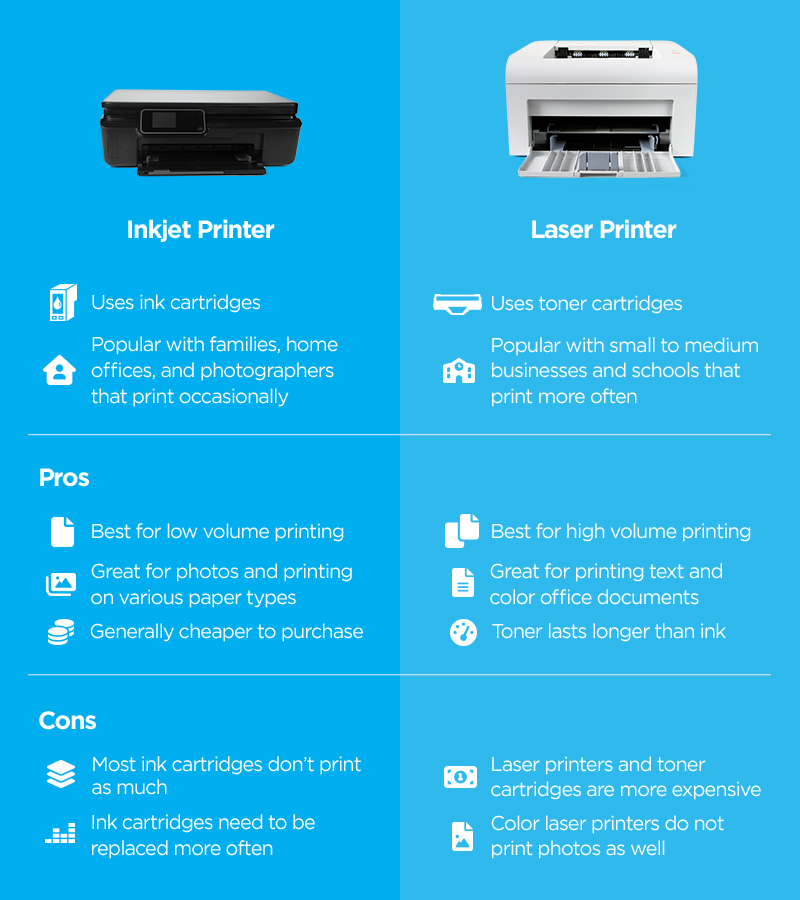
When selecting what’s better laser or inkjet, always prioritize the laser source brand (JPT/Raycus) over raw wattage for long-term reliability.
What’S Better Laser Or Inkjet: Shipping & Compliance
Crating ensures safe transport of sensitive laser equipment. Klear Laser uses custom wooden crates with shock-absorbing foam and moisture barriers. All crates comply with ISPM-15 international standards. This prevents damage during ocean or air freight.
HS codes classify laser machinery for customs. Fiber welding machines fall under HS 8515.80. Pulsed cleaning systems use HS 8456.90. UV printing equipment aligns with HS 8443.32. Incorrect codes cause delays and unexpected duties.
Laser safety follows IEC 60825 Class 4 protocols. Industrial machines require enclosed workspaces, automatic shutters, and interlock systems. Operators must wear certified laser safety glasses. Regular inspections ensure OSHA and regional regulatory compliance.
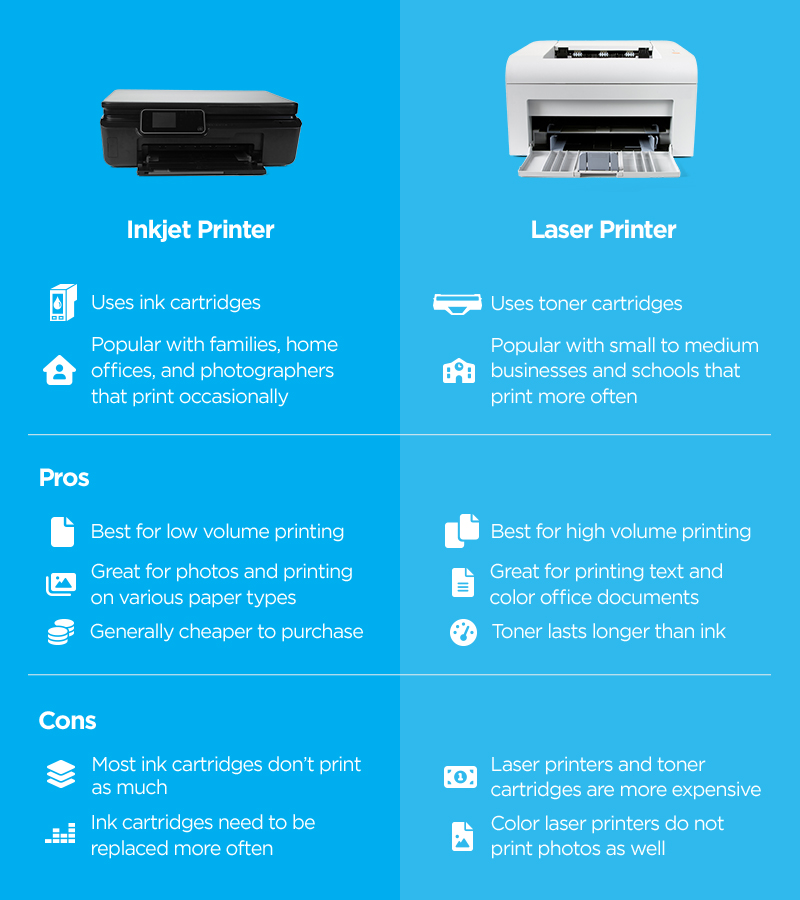
| Caratteristica | Inkjet Printing | Marcatura laser |
|---|---|---|
| Durata | Fades over time and smudges easily | Permanent, scratch-resistant etching |
| Substrate Range | Limited to paper and some plastics | Works on metals, glass, ceramics, plastics |
| Impatto ambientale | Requires ink cartridges and solvents | No consumables, zero chemical waste |
| Precisione | Lower resolution, blurry edges | Microscopic detail and sharp lines |
Caratteristiche e vantaggi principali
Klear Laser welders outperform inkjet-style fiber systems because we pair a 4 kW JPT or Raycus source with a double-wobble welding head. The combination delivers 6 mm stainless penetration on a single pass while the head’s 2 kHz beam steering “softens” the melt pool so you can weld 0.4 mm galvanized without burn-through. Inkjet-style fixed optics simply dump raw power and leave you gouging or re-grinding the part.
Our 50 µm delivery fiber keeps BPP below 2.2 mm·mrad, so the energy density stays in the keyhole instead of heating the HAZ. A wobble amplitude of 0–5 mm at 500 Hz lets you widen the bead on demand, eliminating the need for multiple filler passes on thick aluminum. Inkjet heads can’t vary track width in real time, so operators are forced to slow travel speed and add more heat—creating sink and distortion.
Inside the head, quartz collimating and focusing lenses are AR-coated for 1080 nm±10 nm, giving 99.7 % transmission after 10 000 h. The inkjet approach uses low-cost galvo mirrors that drift; we lock our mirrors to <0.05 mrad with linear encoders, so you get the same seam width on part 1 and part 10 000. Replaceable protective glass rated IP54 keeps slag off the optics and cuts weekly maintenance to a five-minute wipe-down.
| Componente | Klear Laser Welder | Inkjet-Style System |
|---|---|---|
| Sorgente laser | JPT 4 kW single-module or Raycus 4 kW | 3 kW fixed-pump diode array |
| Beam quality (BPP) | ≤2.2 mm·mrad @ 50 µm fiber | 3.5 mm·mrad @ 100 µm fiber |
| Welding head | Double-wobble, 0–5 mm amplitude, ≤2 kHz | Fixed optic, no wobble |
| Max penetration (SS) | 6 mm single pass, Ar shielding | 4 mm with 2 passes |
| Weld width control | 0.2–5 mm on-the-fly | Fixed spot 0.3 mm |
| Protective glass | Quick-swap, quartz, IP54 | None—mirror exposed |
| Raffreddamento | Closed-loop 1 kW chiller included | External 1.5 kW chiller |
| MTBF source | 100 000 h | 30 000 h |
| Price (4 kW class) | $29 900 FOB | $19 900 FOB |
Applicazioni industriali
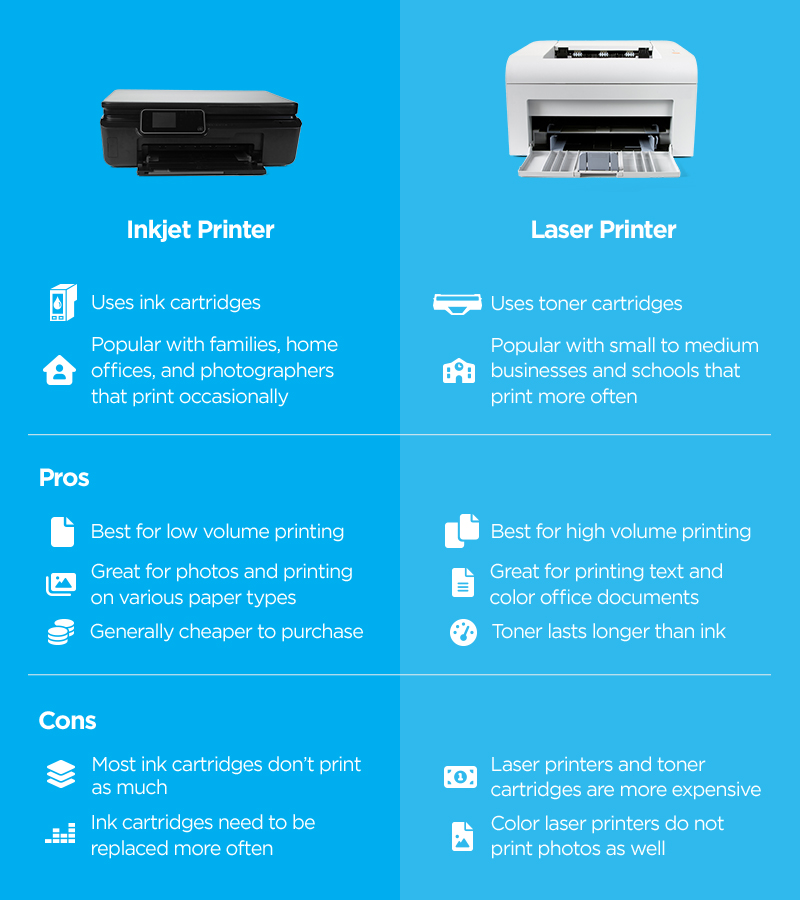
When evaluating whether laser technology or inkjet printing is superior for industrial applications, the decision rests on durability and operational efficiency. Klear Laser advocates for UV laser printing solutions because they eliminate the need for hazardous solvents and recurring ink consumables. While inkjet systems offer low initial capital costs, they suffer from nozzle clogging and poor adhesion on non-porous surfaces.
In the automotive sector, manufacturers demand absolute permanence for part traceability and regulatory compliance. UV laser marking is utilized to engrave Data Matrix codes and VIN numbers directly onto engine components, sensors, and backlit dashboard buttons. Unlike inkjet markings, which can degrade when exposed to brake fluid, oil, or high engine temperatures, laser marks remain indelible for the vehicle’s lifecycle.
The aerospace industry requires non-destructive identification methods to maintain the structural integrity of flight-critical components. Our UV printing technology offers “cold marking” capabilities, which discolor the material surface without generating a heat-affected zone or micro-cracks. This is essential for marking sensitive avionics wiring and turbine blades where traditional inkjet chemicals could compromise the substrate or outgas in low-pressure environments.
Marine environments present unique challenges regarding saltwater corrosion and intense ultraviolet radiation exposure. Inkjet labels or prints often peel, fade, or dissolve when subjected to constant humidity and salinity. Laser technology etches the identification data directly into the material structure, ensuring that navigation equipment and hull components retain legible serial numbers despite years of harsh oceanic conditions.
| Tipo di materiale | Suitability for UV Laser (Klear Laser) | Suitability for Industrial Inkjet | Meccanismo di interazione |
|---|---|---|---|
| Alluminio anodizzato | Eccellente | Poor | Laser bleaches the dye or removes oxide; Inkjet sits on top and rubs off. |
| High-Performance Polymers | Eccellente | Moderato | Laser creates photochemical color change; Inkjet requires surface pre-treatment. |
| Acciaio inox | Eccellente | Poor | Laser anneals surface (black mark); Inkjet lacks adhesion without primers. |
| Coated/Painted Metals | Eccellente | Moderato | Laser removes topcoat to reveal contrast; Inkjet bonds weakly to glossy coats. |
| Glass/Ceramics | Eccellente | Poor | Laser micro-cracks surface for frosting effect; Inkjet requires expensive UV-cure inks. |
Perché scegliere Klear Laser
Klear Laser minimizes operational risk through comprehensive warranty coverage. Our standard 24-month warranty on critical components like laser sources and galvanometers exceeds typical industry terms. This extended protection covers manufacturing defects and performance failures under normal industrial use. It provides significant cost predictability for production planners managing capital equipment budgets.
Technical support responds within 48 hours for critical production line stoppages globally. Our certified engineers troubleshoot via remote diagnostics before dispatching field technicians. This tiered support model resolves 78% of issues without onsite visits, minimizing costly machine downtime. Round-the-clock technical assistance operates exclusively for enterprise clients with active service agreements.
Spare parts availability is guaranteed through strategically located distribution hubs across North America, Europe, and Asia. Critical wear components like optical lenses and nozzle assemblies maintain 98% warehouse stock levels worldwide. Modular subsystem design enables rapid field replacement without full machine recalibration. This logistics network ensures mean time to repair stays under 72 hours for covered systems.
| Parametro | Standard del settore | Klear Laser Standard |
|---|---|---|
| Core Warranty Term | 18 months | 24 mesi |
| Critical Support Response | 72 hours | 48 hours |
| Key Parts Availability | Poli regionali | Global warehouses (98% stock rate) |
| Mean Repair Time | 5+ business days | < 72 hours |
💰 ROI Calculator: What’S Better Laser Or Inkjet
Siete pronti ad aggiornare la vostra produzione?
Contattate Klear Laser per soluzioni industriali professionali.