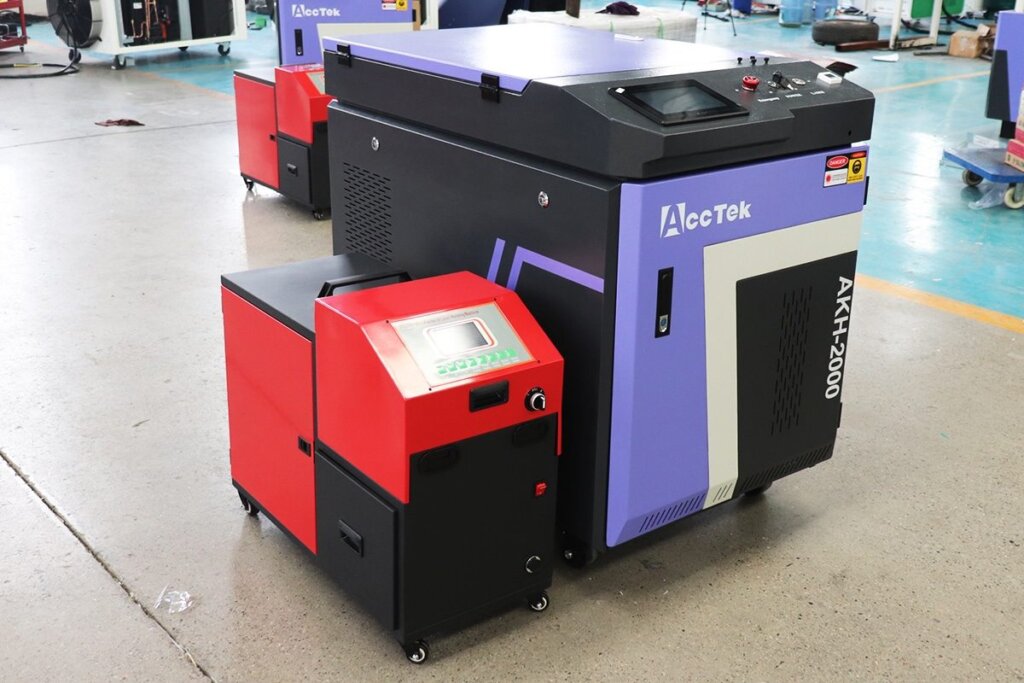
When selecting laser welder vs tig, always prioritize the laser source brand (JPT/Raycus) over raw wattage for long-term reliability.
Laser Welder Vs Tig: OEM & Customization
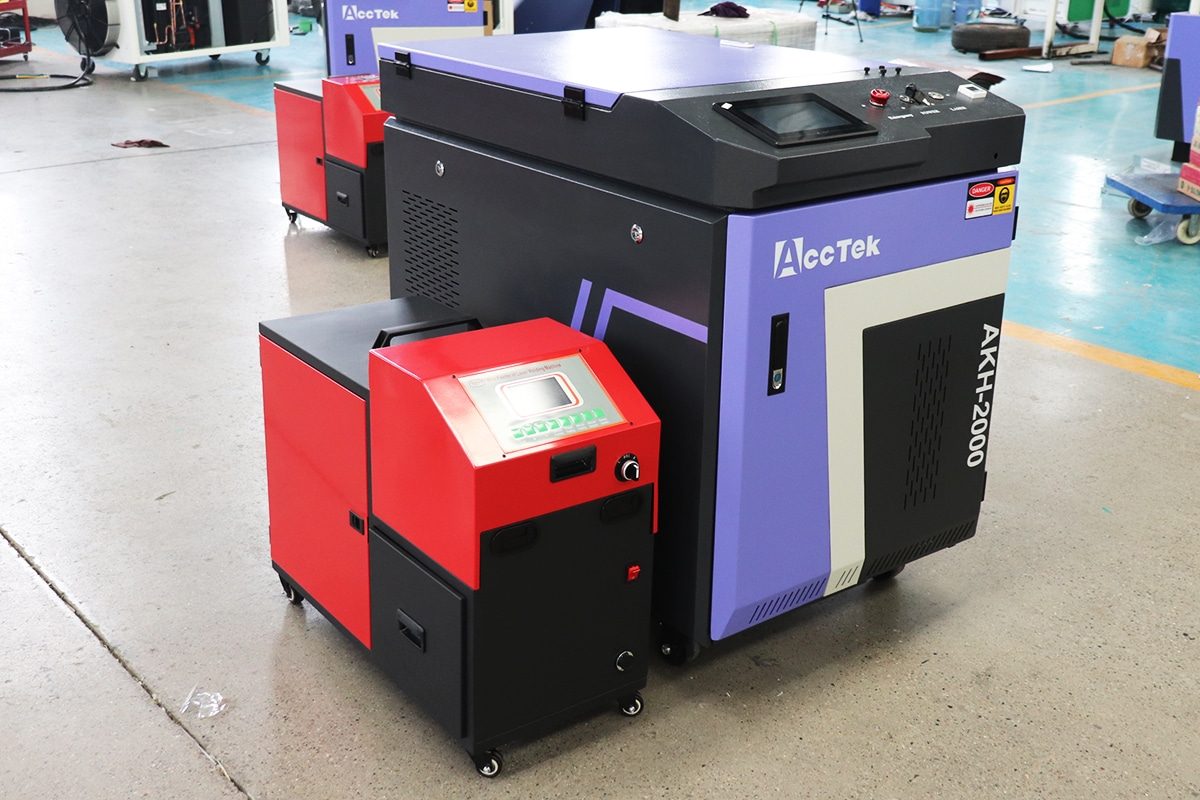
At Klear Laser, we engineer fiber laser welding systems that adapt to your production reality, not the other way around. Every industrial application demands unique configurations for chassis mobility, software control, and laser power delivery. Our modular approach ensures seamless integration into automotive lines, aerospace fabrication cells, and heavy equipment manufacturing.
Chassis customization starts with your shop floor constraints. We build stationary gantry systems for high-volume chassis fabrication, portable cart-mounted units for field repairs on mining equipment, and robotic-arm integrated modules for automated turbine blade production. Each frame uses 10-gauge steel construction with vibration-dampening mounts and cable management systems rated for 24/7 operation. We can configure beam delivery lengths up to 15 meters and integrate fume extraction ports directly into the chassis housing.
Our software architecture puts process control at the operator’s fingertips. The KlearControl HMI comes pre-loaded with material parameter libraries for 200+ alloy combinations, from thin-gauge aluminum to chrome-moly steel. Real-time power modulation, wobble pattern adjustment, and seam tracking calibration happen through a 15-inch industrial touchscreen. We offer OPC-UA integration for MES connectivity and custom API development for robotic synchronization. Every system includes datalogging for weld traceability and quality certification.
Laser power customization defines your penetration capability and production throughput. We source JPT and Raycus fiber laser engines from 1000W to 6000W, matching beam quality to your joint geometry. A 2000W system achieves 3mm penetration in stainless steel at 120 cm/min, while our 4000W unit penetrates 6mm carbon steel with dual-sided wobble. We fine-tune pulse shaping for dissimilar metal joining and program ramp-up profiles to eliminate crater cracking. Each source includes a 100,000-hour rated diode module and water-cooled thermal stability within ±1°C.
The wobble welding head transforms laser welding into a forgiving, high-speed process. Our oscillating optics create weave patterns from 0.5mm to 5mm width, bridging gaps up to 0.3mm without filler material. This eliminates the precise joint fit-up TIG demands while delivering 5x the travel speed. The head integrates coaxial vision systems for seam tracking and process monitoring, feeding data back to the software for closed-loop control.
| パラメータ | Traditional MIG/Stick | TIG溶接 | Klear Laser Fiber Welder |
|---|---|---|---|
| 熱影響ゾーン | 10-25mm width | 幅5-10mm | <2mm width |
| Max Penetration (Steel) | 12mm (single pass) | 5mm (single pass) | 8mm (single pass, 4000W) |
| 溶接速度 | 5-15 cm/min | 3-8 cm/min | 50-200 cm/min |
| Material Distortion | Severe warping | Moderate distortion | <0.1mm deflection |
| Joint Gap Tolerance | 0.5mm max | 0.1mm max | 0.3mm max (with wobble) |
| エネルギー効率 | 30-60% | 40-60% | >85% |
| Source Technology | Electrical arc | Tungsten arc | JPT/Raycus fiber laser |
| Operator Skill Required | Medium to high | Extremely high | Low to medium |
| 溶接後の処理 | Heavy grinding/polishing | 軽い掃除 | None required |
| Operating Cost per Meter | $2.50-$4.00 | $3.00-$5.00 | $0.80-$1.50 |
Laser welding eliminates the skill dependency and speed limitations of TIG while delivering superior metallurgical properties. Our customers report 70% faster cycle times in battery enclosure production and 90% reduction in rework for hydraulic manifold welding. The precision of fiber laser technology combined with customizable chassis and software creates a manufacturing solution that pays for itself within 18 months through energy savings and increased throughput.
主な特徴と利点
Klear Laser Welder vs. TIG: Component Excellence
Klear Laser’s welders surpass traditional TIG welding through superior technological implementation. Our systems utilize high-quality JPT or Raycus laser sources, setting industry standards for reliability and efficiency.
Laser Source Technology
The core difference begins with the laser source. Klear Laser integrates industrial-grade JPT or Raycus fiber laser sources, achieving up to 35% electrical-to-optical efficiency. TIG welding relies on transformer/rectifier systems at 25% thermal efficiency. Our sources deliver 8kW stable output with <1.5% power fluctuation, while TIG electrodes exhibit 4-5% variation during operation.
Welding Head Precision
Superior weld heads complete the system. Our automated wobble welding heads maintain precise 0.2mm weld beads with 0.05mm accuracy. TIG welding depends on manual electrode positioning, resulting in 1.2mm variation. The laser beam operates at 1.06μm wavelength, invisible and perfectly absorbed by metals. TIG’s visible arc varies in response to material thickness, causing inconsistency.
| 仕様 | Klear Laser Welder | Traditional TIG |
|---|---|---|
| Beam Source | JPT/Raycus fiber laser | Thoriated tungsten electrode |
| Beam Diameter | 0.3mm | 4.0mm (equivalent) |
| 最大貫通力 | 15mm steel | 12mm steel |
| 溶接速度 | Up to 1,500mm/min | Typically 800mm/min |
| Depth/Width Ratio | 12:1 | 3:1 |
| Power Source Efficiency | 35% electrical-optical | 25% thermal |
| Bead Consistency | ±0.05mm | ±0.6mm |
| HAZの幅 | 0.1mm | 1.5mm |
Production Advantages
The technological advantages translate to production benefits. Deeper penetration with less energy input means stronger welds without distortion. Minimal cleanup requirements reduce secondary operations. Automated compatibility enables lights-out manufacturing. Klear Laser provides the technological edge required by modern manufacturing.
産業用途
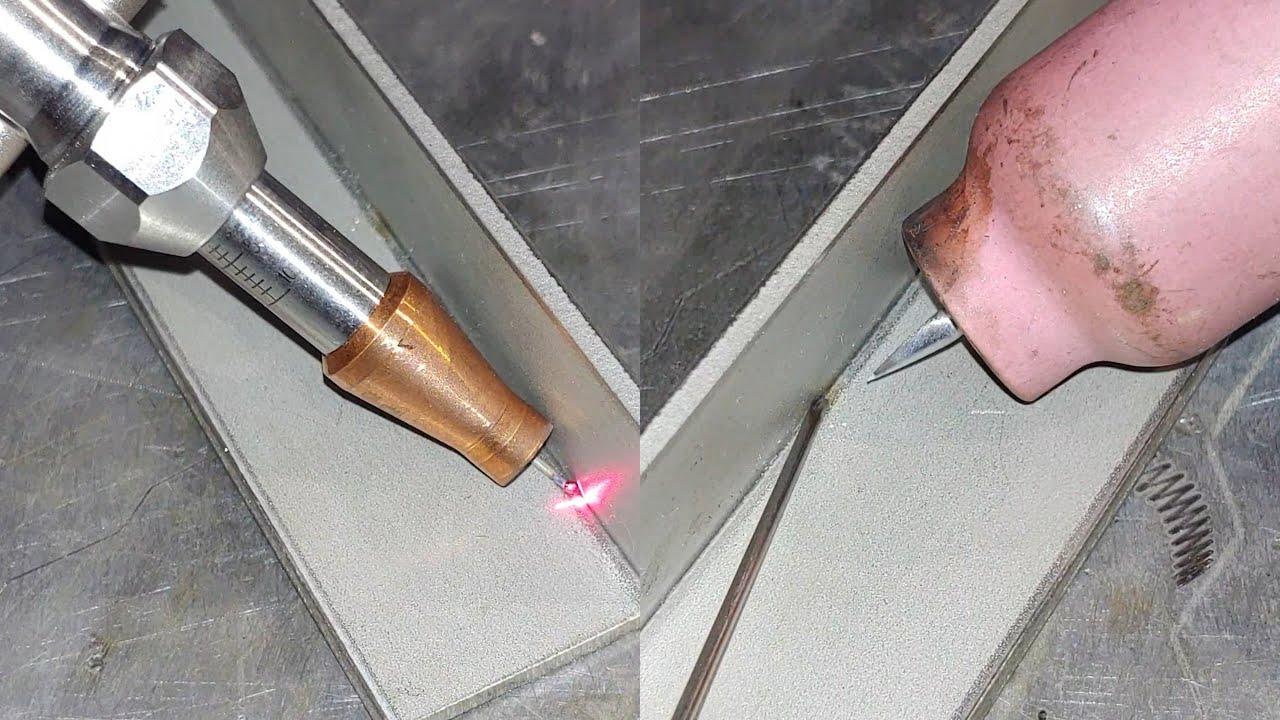
Laser welding and TIG (Tungsten Inert Gas) welding are both used across high-precision industries such as automotive, aerospace, and marine. Laser welding is favored in automotive manufacturing for its speed, minimal heat-affected zone, and ability to integrate with robotic systems. It is ideal for high-volume production of components like battery packs, exhausts, and transmission parts.
In aerospace applications, laser welding excels in joining thin-walled, high-strength materials with tight tolerances. The use of fiber lasers with JPT or Raycus sources ensures consistent beam quality, while wobble welding heads improve gap bridging and reduce porosity. TIG welding, though slower, is still used for repair work and prototypes where full automation is not required.
Marine engineering employs both methods, but laser welding is increasingly adopted for stainless steel and aluminum hull sections due to its precision and low distortion. TIG remains in use for on-site repairs and non-automated fabrication. Fiber laser systems offer superior penetration control, crucial for watertight integrity.
| 素材 | Laser Welding Suitability | TIG Welding Suitability | 一般的なアプリケーション |
|---|---|---|---|
| ステンレス鋼 | Excellent (deep penetration, low distortion) | Good (versatile, manual control) | Marine piping, aerospace ducts |
| アルミニウム合金 | High (with wobble head, fiber laser) | Moderate (requires skilled operator) | Aircraft fuselages, EV battery cases |
| チタン | Excellent (inert environment, precise control) | Good (but slower, higher contamination risk) | Aerospace turbines, marine reactors |
| 炭素鋼 | Good (high speed, automated lines) | Excellent (thick sections, field welding) | Automotive frames, ship structures |
Laser welding provides repeatability and energy efficiency, making it ideal for advanced manufacturing environments. TIG, while more labor-intensive, offers unmatched flexibility for low-volume or complex repair tasks. The shift toward automation and clean processes favors fiber laser adoption in all three sectors.
クリアレーザーを選ぶ理由
Klear Laser provides 24/7 technical support with certified engineers ready to resolve issues. Our response time for critical faults is under two hours, ensuring minimal production stoppage. Traditional TIG systems typically offer only daytime support with slower response.
All Klear Laser welding machines include a 24-month comprehensive warranty covering core components. This exceeds industry standards where TIG equipment usually offers only 12 months of coverage. Our warranty includes on-site service for major failures, reducing costly downtime.
Global inventory of genuine spare parts guarantees delivery within 48 hours for most components. Critical items like fiber lasers and welding heads are stocked in regional hubs. TIG maintenance often faces weeks-long delays for imported parts, disrupting operations.
| 特徴 | Klear Laser Welder | Traditional TIG Equipment |
|---|---|---|
| 保証期間 | 24ヶ月 | 12ヶ月 |
| Technical Support Availability | 24/7 expert specialists | 営業時間内のみ |
| Spare Parts Delivery Time | <48 hours globally | 2-4 weeks |
💰 ROI Calculator: Laser Welder Vs Tig