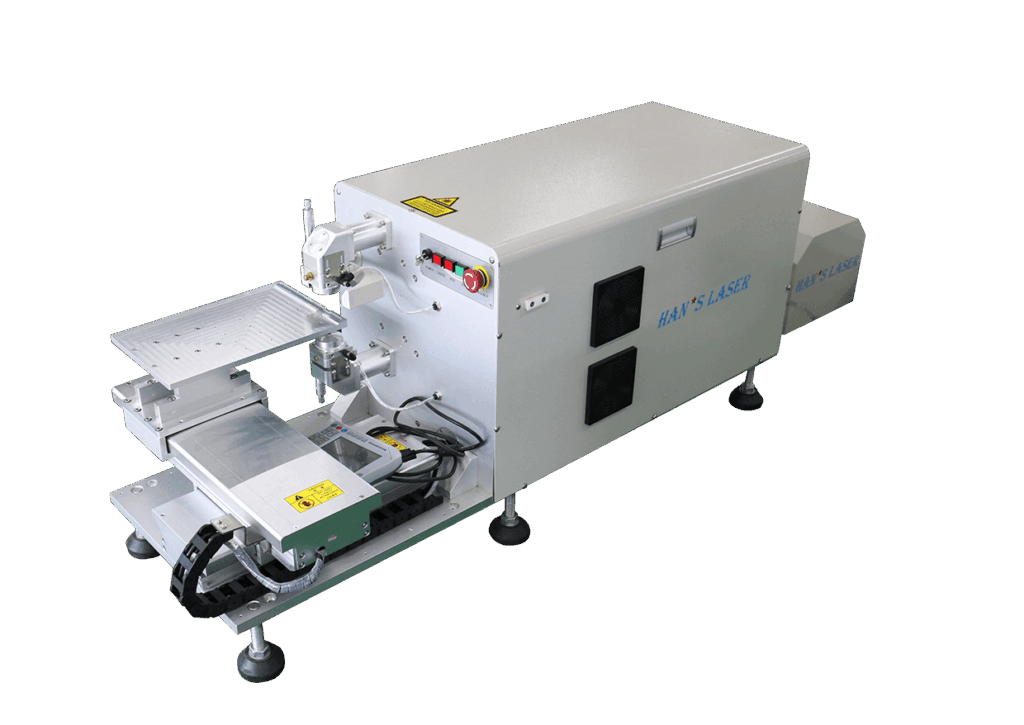
When selecting laser stripping, always prioritize the laser source brand (JPT/Raycus) over raw wattage for long-term reliability.
Laser Stripping: Manufacturing Quality
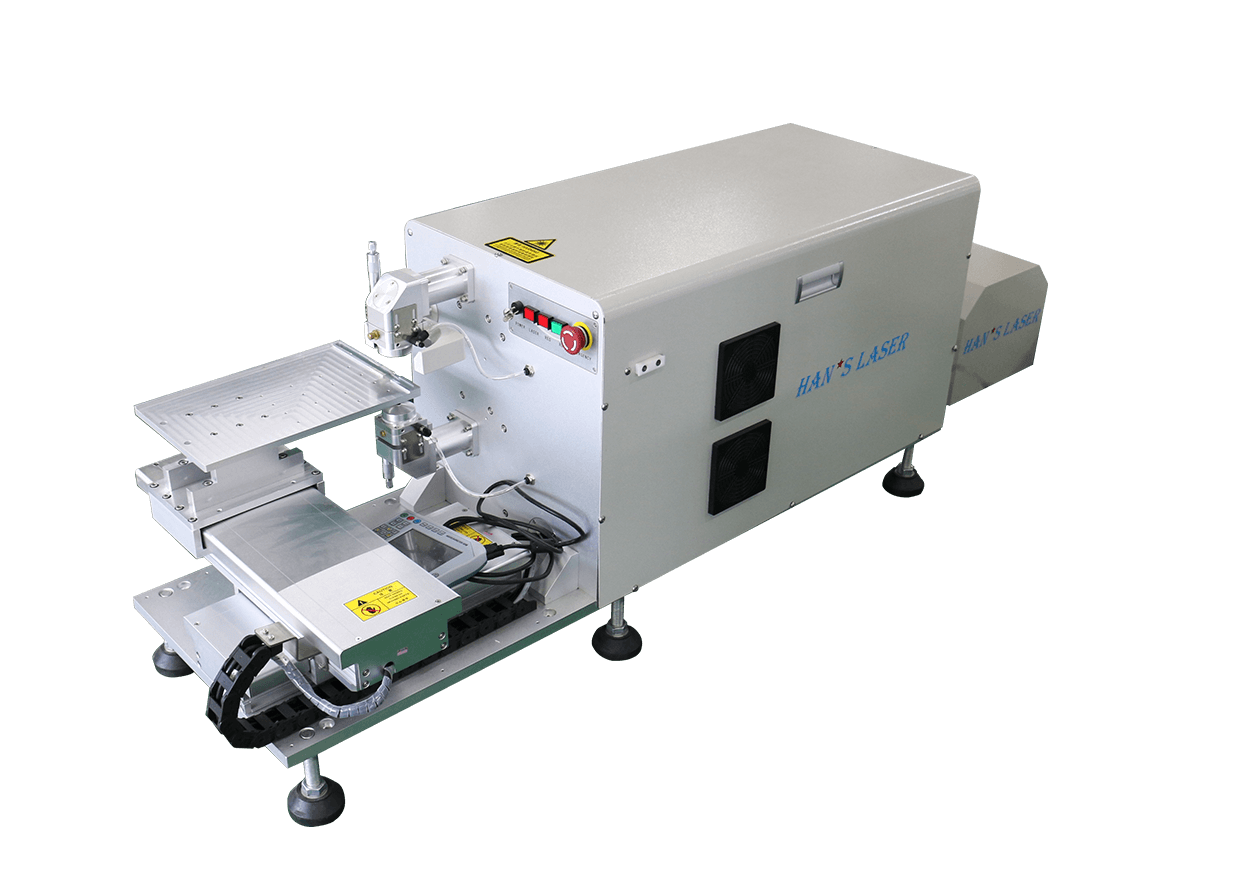
Aging tests are critical for verifying the long-term durability of laser-stripped components. We subject treated surfaces to accelerated environmental exposure, including humidity, thermal cycling, and salt spray. These tests confirm that the base material remains unaffected and coatings do not re-adhere prematurely. Results ensure compliance with aerospace, automotive, and marine industry standards.
Beam analysis is performed using high-resolution beam profilers and thermal sensors. We measure beam quality (M²), power density, and pulse consistency across thousands of cycles. This ensures the laser maintains precise energy delivery critical for non-destructive stripping. Any deviation beyond 2% triggers automatic recalibration or maintenance alerts.
Quality control protocols include real-time monitoring via integrated cameras and spectrometers. Each stripping cycle logs pulse duration, energy per pulse, and scan speed. We audit 100% of automated runs and perform spot-checks on manual operations. Traceability is maintained through QR-coded work orders linked to machine logs.
The table below compares traditional stripping methods with modern laser stripping in industrial applications.
| Parametr | Traditional Methods (Blasting, Chemical) | Laser Stripping (Pulsed Fiber) |
|---|---|---|
| Uszkodzenie podłoża | Common (pitting, thinning) | Minimalne lub żadne |
| Wytworzone odpady | High (hazardous sludge, media) | None (only ablated particles) |
| Szybkość przetwarzania | Moderate to slow | High (automatable, repeatable) |
| Bezpieczeństwo operatora | Low (chemical exposure, dust) | High (closed systems, HEPA filtration) |
| Precyzja i selektywność | Low (over-removal common) | High (coating-specific ablation) |
| Aging Performance | Risk of trapped contaminants | Clean substrate, superior adhesion |
| Kontrola szerokości impulsu | Not applicable | 10–200 ns (adjustable per material) |
Laser stripping systems use adjustable pulse widths to target coatings without heating the substrate. Short pulses (10–30 ns) are ideal for thin oxides, while longer pulses handle heavy rust. This precision preserves metallurgical integrity, especially on high-strength steels and aluminum alloys used in critical structures.
Kluczowe cechy i zalety
Klear Laser’s superior laser stripping performance starts with industrial-grade JPT or Raycus fiber laser sources. These sources deliver exceptional stability and precise pulse control, critical for effective rust removal without damaging the base material. The high beam quality (M² <1.2) ensures optimal energy concentration for consistent results.
The advanced scanning head combines high-speed galvanometer mirrors with adaptive focus control. This allows rapid movement across surfaces while maintaining consistent spot size and energy density. Real-time feedback adjusts for irregularities, preventing substrate overheating during operation.
Adjustable pulse widths from 1-300 nanoseconds enable fine-tuning for different materials and rust thicknesses. This precision eliminates heat-affected zones and preserves the integrity of delicate substrates. The system ensures safe, efficient cleaning across varied industrial applications.
| Komponent | Specyfikacja | Korzyści |
|---|---|---|
| Źródło lasera | JPT 1000W / Raycus 800W | Stable output for consistent cleaning |
| Szerokość impulsu | 1-300ns adjustable | Prevents substrate damage during rust removal |
| Głowica skanująca | 7000mm/s speed, adaptive focus | Even energy distribution on uneven surfaces |
| Jakość wiązki (M²) | <1.2 | Tight focus minimizes thermal impact |
Zastosowania przemysłowe
Laser stripping replaces chemical baths and media blasting in places where metal must stay dimensionally perfect and absolutely clean. The process removes paint, sealant, anodic films and light rust without touching the base alloy, so aerospace first adopted it for selective coating removal on fuselage skins and turbine blades. Automotive paint shops now use the same pulsed fiber cleaners to strip e-coat from weld flanges in 4–6 s per window, eliminating the masking tape line and cutting labor by 70 %. Marine operators deploy portable 200 W pulsed units to remove anti-fouling and epoxy from steel and aluminum hulls inside dry dock; no grit means no expensive containment or disposal of contaminated media.
Because the 100 ns pulse width is shorter than the thermal diffusion time of most metals, the coating vaporizes while the substrate stays below 80 °C. That keeps zinc-coated auto steel from losing its corrosion layer, preserves the clad layer on 2024-T3 aero sheet, and prevents 5000-series aluminum in boat decks from warping or reprecipitating inter-metallics. The same scanner head can switch from paint removal to light rust cleaning by simply changing the pulse energy and line spacing, so one machine covers the whole pre-production cycle.
Typical materials routinely stripped in these sectors are summarized below.
| Sector | Typowe podłoża | Stripped Coatings | Klear Pulsed Source |
|---|---|---|---|
| Lotnictwo i kosmonautyka | 2024-T3 Al, 6Al-4V Ti, IN718 Ni | Alodine, primer, thermal barrier | 300 W MOPA, 10–250 ns |
| Motoryzacja | Zn-coated DP980, 6016 Al, SMC carbon | E-coat, seam sealer, top coat | 200 W MOPA, 50 ns |
| Marine | AH36 steel, 5083-H321 Al, Cu-Ni pipe | Epoxy, antifouling, chloride rust | 500 W MOPA, 100 ns |
Dlaczego warto wybrać Klear Laser
Industrial operations require absolute reliability to maintain high throughput and minimize costly downtime. Klear Laser structures its value proposition around a comprehensive support ecosystem designed specifically for heavy-duty manufacturing environments. We ensure that your transition from traditional chemical stripping to clean laser technology remains seamless and profitable.
Our technical support team consists of specialized engineers who possess deep expertise in photonics and material interaction. We utilize advanced remote diagnostic tools to monitor laser source health and control system parameters in real-time. This immediate access to technical guidance ensures that critical settings, such as pulse width and frequency, remain optimized for substrate safety during rust removal or coating stripping.
We back our Pulsed Laser Cleaning Machines and Fiber Laser Welders with an industry-leading warranty that covers core components including JPT and Raycus laser sources. This warranty protection guarantees performance stability even under the rigorous demands of continuous industrial usage. Our commitment extends beyond simple component replacement to ensure the total integrity of the optical path and beam delivery system.
Rapid availability of spare parts is essential for maintaining a low Mean Time To Repair (MTTR) in production facilities. We maintain a robust inventory of essential consumables, including protective lenses and copper nozzles, ready for immediate dispatch. Using genuine OEM parts ensures that the laser fluence remains consistent for precise stripping applications without compromising the underlying base material.
| Cecha | Standard Industry Practice | Klear Laser Advantage |
|---|---|---|
| Odpowiedź techniczna | 24-48 hours via email ticketing | Instant remote diagnostics with live engineer support |
| Laser Source Warranty | 12 months, limited coverage | 24-36 months, comprehensive coverage (JPT/Raycus) |
| Parts Availability | Drop-shipped from overseas (2-3 weeks) | Domestic inventory ready for overnight shipping |
| Service Scope | Hardware repair only | Full application support including parameter optimization |
| Materiały eksploatacyjne | Generic, variable quality | OEM-certified optics for consistent beam quality |
💰 ROI Calculator: Laser Stripping
Gotowy do modernizacji produkcji?
Skontaktuj się z Klear Laser, aby uzyskać profesjonalne rozwiązania przemysłowe.