When selecting part marking methods, always prioritize the laser source brand (JPT/Raycus) over raw wattage for long-term reliability.
Part Marking Methods: Case Study
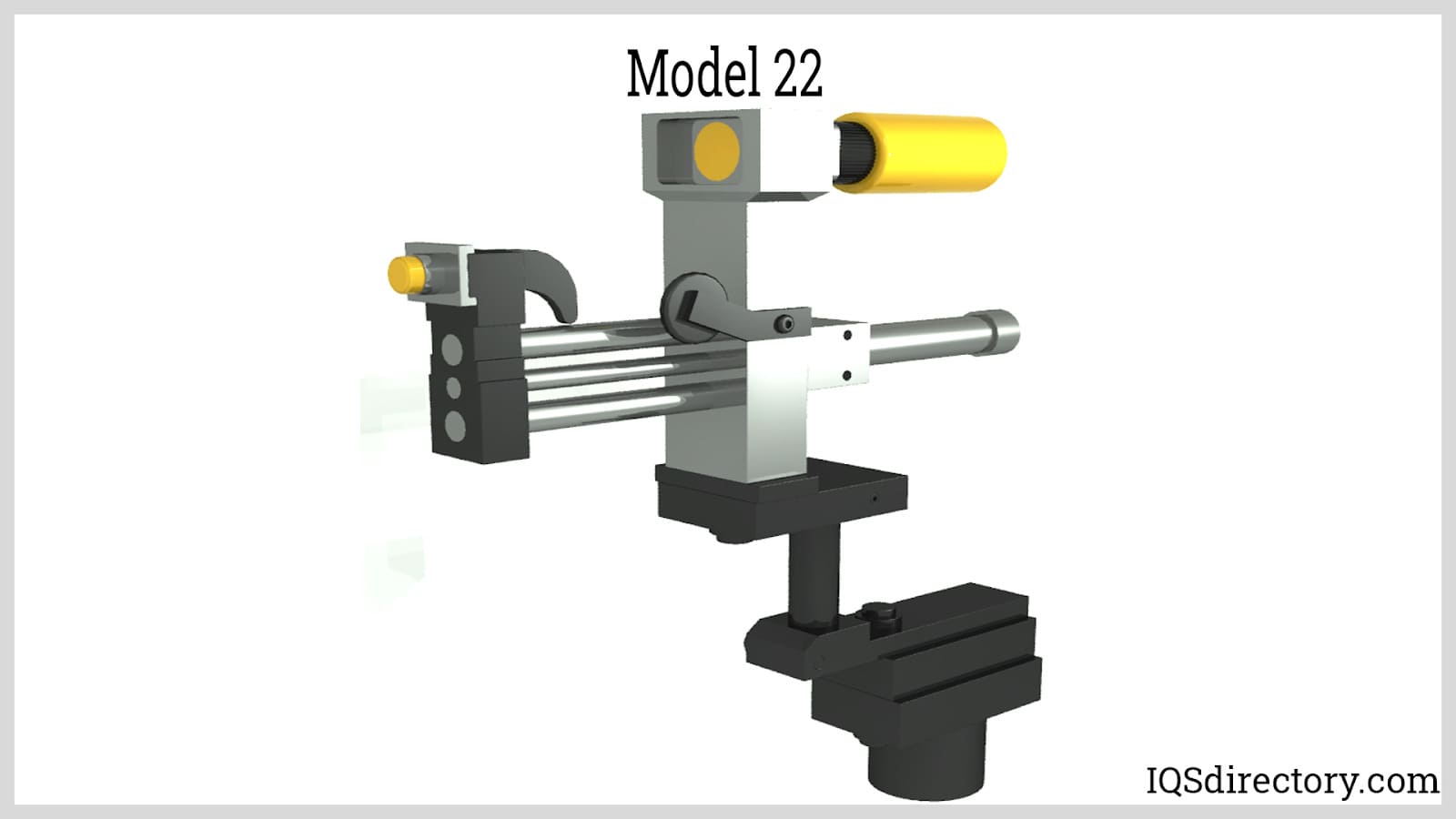
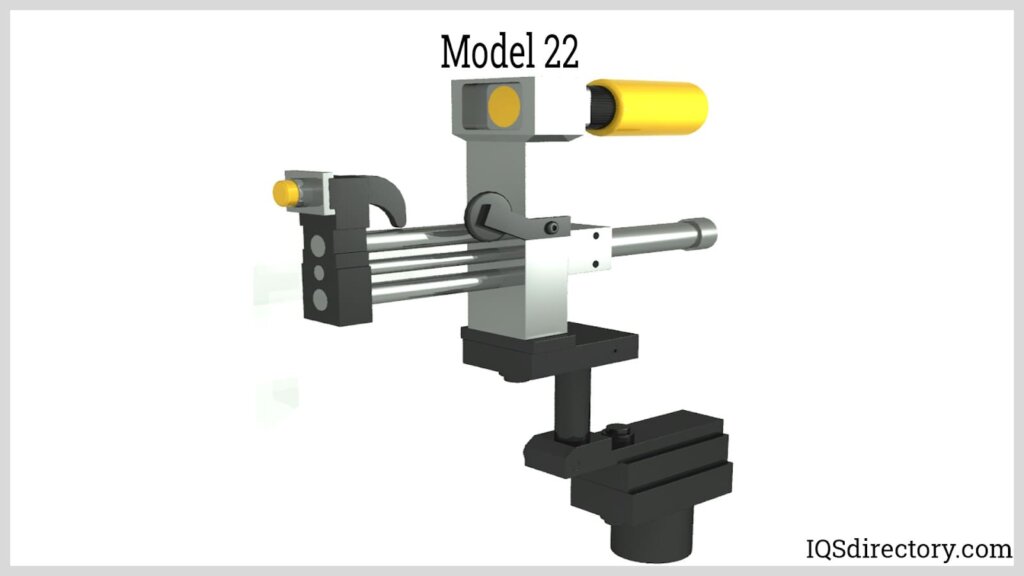
In the high-volume environment of automotive transmission manufacturing, component traceability is a non-negotiable requirement. One of our recent clients, a Tier 1 automotive supplier, faced significant bottlenecks using traditional dot peen systems to mark serial numbers on hardened steel shafts. The mechanical stress from the stylus often caused micro-fractures in the material, and the noise levels on the factory floor were unacceptable.
We replaced their mechanical units with a high-speed Fiber Laser Marking integration. This non-contact method utilizes a high-frequency beam to anneal the surface of the steel, creating a permanent, corrosion-resistant black mark without removing material. Because there is no physical impact, the structural integrity of these precision components remains completely compromised.
The efficiency gains were immediate and measurable upon installation. The laser system reduced the marking cycle time from twelve seconds down to just under two seconds per part. This drastic reduction allowed the manufacturer to increase conveyor speeds and eliminate the production backlog that had plagued their assembly line for months.
Operational costs saw a simultaneous decrease due to the elimination of consumables. Traditional methods required regular replacement of carbide pins or ink cartridges, but the fiber laser source operates maintenance-free for up to 100,000 hours. This aligns with Klear Laser’s mission to remove waste streams and chemical solvents from the industrial floor.
| Caraterística | Traditional Dot Peen / Ink Jet | Klear Laser Fiber Marking |
|---|---|---|
| Velocidade de marcação | Slow (10-15 seconds per part) | Ultra-fast (< 2 seconds per part) |
| Surface Impact | High physical stress and deformation | Non-contact, zero mechanical stress |
| Consumíveis | Pins, stylus tips, inks, solvents | Nenhum (apenas eletricidade) |
| Legibility | Low contrast, fades with wear | High contrast, permanent, heat resistant |
| Manutenção | Frequent mechanical adjustments | Maintenance-free solid state source |
Principais caraterísticas e vantagens
Klear Laser part marking systems leverage specialized MOPA fiber laser sources for unmatched material flexibility. The JPT M7 series source delivers precise pulse width control from 4-200ns, eliminating micro-cracking on sensitive alloys. This enables crisp marking on challenging materials like copper and anodized aluminum without surface damage. Standard fixed-pulse lasers cannot achieve this level of parameter control.
Our galvanometer scanning heads feature high-speed digital drivers and F-theta lenses with ≤15μm spot size accuracy. The integrated wobble function ensures uniform energy distribution for deep engraving without heat-affected zones. This head configuration maintains sub-0.02mm positional repeatability at 700mm/s scanning speeds. Competing systems typically sacrifice speed for depth or vice versa.
These components combine to deliver industrial-grade reliability in 24/7 production environments. The sealed optical path prevents contamination in oily factory settings while maintaining calibration. Mark contrast meets ISO 14297 readability standards across aerospace, medical, and automotive traceability applications. Traditional lamp-pumped or basic fiber markers lack this robustness.
| Especificação | Klear Laser MOPA System | Standard Fiber Marker | Vantagem |
|---|---|---|---|
| Faixa de largura de pulso | 4-200 ns | 100-120 ns (fixed) | Enables copper marking without splatter |
| Velocidade de marcação | Up to 700 mm/s | ≤ 500 mm/s | 40% higher throughput on production lines |
| Spot Size Accuracy | ≤ 15 μm | ≥ 30 μm | 2x finer detail for micro-serial numbers |
| Compatibilidade de materiais | Metals, plastics, ceramics | Limited metal alloys | One system handles 90% of industrial substrates |
Aplicações industriais
Laser marking has fundamentally replaced legacy part identification methods across heavy manufacturing sectors. This non-contact process creates permanent, machine-readable codes without consumables or hazardous waste. Fiber laser systems deliver the precision and speed required for modern production rates while meeting stringent industry traceability mandates.
Automotive manufacturers integrate laser marking at multiple value stream points for VIN plates, engine block serialization, and QR codes on transmission components. The process complies with AIAG standards and achieves mark times under three seconds per part. Adjustable pulse durations allow annealing on critical wear surfaces like camshafts without compromising case hardness or dimensional tolerances.
Aerospace applications require absolute compliance with AS9100 and FAA regulations for component lifecycle tracking. Laser systems mark titanium turbine blades, Inconel fasteners, and 7000-series aluminum airframe sections with Data Matrix codes that survive thermal cycling and corrosive exposure. Penetration depths of 0.001–0.003 inches provide permanent identification while preserving fatigue resistance in flight-critical parts.
Marine environments demand marks that withstand salt spray, galvanic corrosion, and continuous vibration. Laser marking excels on stainless steel valve bodies, bronze propeller hardware, and aluminum structural members by creating passivated oxide layers. Unlike mechanical stamping, the process eliminates stress risers that could initiate stress-corrosion cracking in chloride-rich atmospheres.
| Material | Aplicação no setor automóvel | Aplicação aeroespacial | Aplicação marítima | Mark Type |
|---|---|---|---|---|
| Aço carbono | Crankshaft IDs, Gear marks | Landing gear components | Shaft couplings | Annealed/Engraved |
| Ligas de alumínio | ECU housings, Wheel rims | Airframe panels, Brackets | Deck hardware, Hulls | Surface Oxidation |
| Titânio | Valve springs (high-performance) | Turbine blades, Fasteners | Propeller shafts | Shallow Engraving |
| Aço inoxidável | Fuel injectors, Sensors | Hydraulic fittings | Valve bodies, Deck fittings | Dark Annealing |
| Inconel/Superalloys | Turbocharger wheels | Combustion liners, Bolts | Exhaust manifolds | Pulsed Deep Marks |
| Plastics/Composites | Dashboard VIN tags | Interior panels | Instrument housings | Contrast Foaming |
Porquê escolher a Klear Laser
Here’s the Klear Laser value proposition summary for Support, Warranty, and Spare Parts:
Apoio
Klear Laser provides industry-leading technical support 24/7. Our expert engineering team offers remote diagnostics and on-site service to minimize costly downtime. We ensure rapid problem resolution, keeping your production lines running smoothly.
Garantia
Every Klear Laser machine comes with a comprehensive warranty covering critical components and labor. Our standard 2-year warranty reflects our confidence in the durability of JPT and Raycus laser sources. Optional extended warranties provide long-term protection against unexpected costs.
Peças de substituição
Genuine Klear Laser spare parts are meticulously engineered for perfect fit and performance. We maintain a global inventory for fast shipment, ensuring minimal machine idle time. Using non-genuine parts voids warranty and risks damaging your equipment.
| Value Proposition | Key Metrics | Benefício |
|---|---|---|
| Apoio | 24/7 Availability, <1 Hour Response Time | Maximizes Uptime, Minimizes Production Loss |
| Garantia | 2 Years Standard, Extendable Coverage | Reduces Risk, Lowers Long-Term Cost of Ownership |
| Peças de substituição | 99% Inventory Availability, Genuine Components | Ensures Consistent Performance, Protects Investment |
💰 ROI Calculator: Part Marking Methods
Pronto para atualizar a sua produção?
Contacte a Klear Laser para obter soluções industriais profissionais.